

[ad_1]
The monsoon season brings with it a lot of humidity in the air which is the main reason for the increase of harmful suspended particles in the air that can affect children. The chances of falling sick increase, so it is important to take necessary precautions to ensure the safety and health of our children.
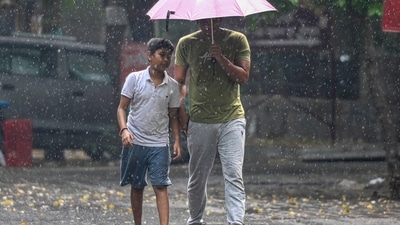
It is no secret that dirty rainwater or puddles can harbor a variety of harmful germs – bacteria, viruses and insects, which children may come in contact with while playing outside and cause infections. Similarly, drinking water can become dirty and contaminated due to germs during heavy rains, potentially increasing the risk of gastrointestinal infections.
In an interview with HT Lifestyle, Dr Abhimanyu Sengupta, senior consultant paediatrician at Ankura Hospital for Women and Children, Pune, said, “Fluctuations in temperature and cold, humid air can be harmful for children, causing nose and throat infections as well as allergic respiratory disorders that can lead to blockage of the respiratory tract.”
He said that during the rainy season, the risk of developing the following diseases in children increases –
1. Gastrointestinal diseases: This can happen due to several reasons such as eating street food prepared in open areas or unhygienic environments where the chances of contamination of food increase. Consuming or drinking foods and liquids that have been exposed to various harmful germs can cause symptoms such as diarrhea, abdominal pain, bloating, and vomiting. Food poisoning is common so one needs to take adequate precautions.
2. Respiratory infection: Sudden changes in temperature can promote the spread and transmission of respiratory germs and weaken the immune system of children, making them more vulnerable to being affected by respiratory infections. Heavy rainfall can contribute significantly to air pollution which can pose a threat to children. Breathing in this polluted air can cause many respiratory problems in children such as coughing, sore throat, sneezing, wheezing and cold.
3. Dengue and malaria: Water stored in open containers or buckets for various household purposes can become a haven for dangerous mosquitoes like Aedes and Anopheles, which are carriers of dengue and malaria respectively. These mosquitoes breed in stagnant water, puddles and water in flower pots and containers. Children may have various symptoms like fever, excessive sweating, chills, fatigue, pain behind the eyes and skin irritation and rashes.
Talking about tips to protect your children from rainy season related diseases, Dr. Abhimanyu Sengupta suggests –
1. Children should avoid going into rain water.
2. To reduce the risk of dengue and malaria, keep your surroundings clean; do not allow water to accumulate around the house or in pots, tyres or drums.
3. Wear suitable clothes like full-sleeved t-shirts along with jeans or pants that can easily cover the whole body to avoid mosquito bites.
4. Avoid eating street food or junk food prepared in open spaces as these are more likely to be contaminated with harmful germs; instead try eating healthy fresh food cooked at home.
5. Parents should ensure that the child eats a balanced diet which will boost his immunity.
6. Take a bath after coming from outside, especially during heavy rains, to wash away germs.
7. Do not self-medicate or try any home remedies when children have fever and cold. The child should be taken to the doctor immediately before the symptoms worsen.
8. Prevent your children from frequently touching or rubbing their eyes with dirty and unwashed hands as this can increase the risk of eye infections.
[ad_2]

