

[ad_1]
Joint Entrance Examination (JEE) Main is one of the most challenging competitive examinations in the country. This exam is the gateway for admission to engineering, architecture and planning courses in prestigious institutes like IIIT, NIT. It is also the screening test for IIT-JEE Advanced.
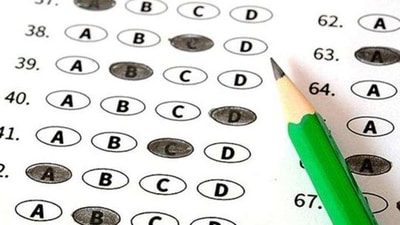
Dealing with negative marks is especially important among the obstacles faced by the candidates. A strategic approach to this aspect can affect the final score.
Understanding the Exam Pattern
JEE Main exam consists of 75 questions for 300 marks, and the paper is divided into three subjects: Mathematics, Physics and Chemistry. There are 3 in each subject. Candidates get four marks for each correct answer, while one mark is deducted for each wrong answer. Questions left unattempted do not affect the score.
This negative marking system emphasizes accuracy rather than guessing, so candidates should adopt a well-thought-out strategy.
Strategies to Reduce Negative Marking in JEE Main
-Try what you know first-
Start with a cursory reading of the question paper to identify the questions you are confident about. Try these first, as these are your safest scoring opportunities. Solving simple questions in the beginning boosts your confidence and ensures that you score quickly. Avoid starting with difficult questions, as these take more time and may create unnecessary stress. Remember, both easy and difficult questions carry equal marks, so giving preference to straightforward questions is a better approach.
-Avoid guessing-
In exams with negative marking, guessing the answers can do more harm than good. An incorrect answer results in points being lost, whereas leaving a question unanswered does not. If you are unsure of an answer, it is better to skip the question than risk a deduction. Pay attention to accuracy and rely on educated guesses only when you can confidently eliminate the majority of incorrect choices. For questions where you are unsure of the correct answer, use the process of elimination. Narrow down the options by identifying and eliminating clearly incorrect options. If you choose to make an educated guess this increases your chances of choosing the correct answer.
-Time Management-
Time is an important factor in JEE Mains, it takes only three hours to complete the entire paper. Efficient time management allows you to attempt maximum number of questions without compromising accuracy. Start by allocating time to each section based on your strengths. After reading the paper, divide the remaining time proportionately to ensure that all sections are given adequate attention. Practicing mock tests regularly helps hone this time-management skill, making it easier to adapt during the actual exam.
-PYQ-
Solving previous years question papers can also give information about the difficulty level of the exam, common question pattern and frequently asked topics. It also helps to be familiar with the marking scheme, so you can adjust your approach accordingly. Identify the topics from PYQ that have more importance in JEE syllabus and focus more on mastering them. Questions from these topics appear frequently in exams, giving a better chance of scoring high marks. This approach also helps in optimizing your preparation time.
-Practice mock tests and analyze performance-
Mock tests play an important role in JEE Mains preparation. They help you familiarize yourself with the exam pattern, improve your speed and identify weak areas. Attempt as many mock tests as possible (at least 7-8) and analyze your performance after each test to understand where you are losing marks due to negative marking. Focus on reducing mistakes and increasing accuracy by revisiting concepts you find challenging.
-Remain calm and composed-
Anxiety and nervousness during exams can lead to hasty decisions and errors. Maintain a calm and collected mindset to think clearly and avoid unnecessary mistakes. Practice mindfulness techniques like deep breathing to manage stress during exams.
-Review your answers-
If you have time, review your answers before submitting the paper. Double-check the calculations and make sure you haven’t made any errors carelessly. However, avoid overanalyzing the answers that you were initially confident about, as this may lead to unnecessary changes.
Also read: JEE students were cheated Cheating of Rs 3 crore from coaching institute in Thane, case against 8
Adopting these tips will help you reduce negative marking and score while maintaining speed and accuracy. With dedication, regular practice and confidence, you can crack this exam effectively, taking a step towards your ambitious academic goals.
The author, Anil Kapasi, is the Managing Director and Co-Founder of Arihant Academy. Opinions are personal.
[ad_2]

