

[ad_1]
For years, the Instagram grid has been our digital diary with a curated gallery of vacations, brunch plates, and carefully photographed selfies. But if you look at the profiles of the youngest users today, you might find something surprising: zero posts.
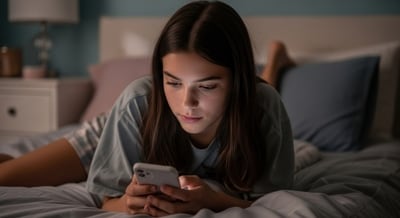
Gen Z, once known as the most vocal and ‘online’ generation, is leading a quiet revolution. From private accounts to completely blank feeds, the ‘posting zero’ trend is redefining our relationship with screens.
From public forum to private sanctuary
According to a study of 250,000 users published in The Financial Times, social media usage has declined by about 10%, largely due to Gen Z being away from the public eye.
Actress and mental health advocate Dr Aditi Govitrikar sees this shift as a conscious effort to break free from digital shackles. “I think of ‘Posting Zero’ as their way of breaking out of the clutches of digital addiction and being more personal and selective in what they want to see, post and engage with,” she says.
Digital detox or just a new hiding place?
Although empty grid may seem like completely unplugging, experts suggest it’s more of a migration than a withdrawal. Users aren’t necessarily deleting apps; They’re going to ‘close friends’ lists, anonymous accounts or group chats. Arpita Kohli, psychologist and counselor at PSRI Hospital, says that while this trend provides relief, it is not a “silver bullet” for mental health. She warns that although this reduces the public ‘looking for likes’, it does not completely eliminate habits of social comparison.
Breaking the Trap of ‘Perfection’
The psychological impact of maintaining a ‘perfect’ online persona has reached breaking point. Jitendra Chouksey, health educator and founder of FITTR, believes the move is a necessary response to the way the platforms are designed. He says, “Social media companies continue to use short content formats to maximize engagement while completely ignoring its impact on mental health. What was once a tool for making friends has become a tool for propaganda, misinformation and health anxiety.”
What GenZ says:
Srishti Shaw, a 25-year-old program manager, believes the generation is moving away from the “selling side” of social media. Shaw explains, “I think what we have in common now is that we prioritize meaningful things, spending quality time and having a lot of laughs in the real world rather than feeling the need to show off.” She adds, “We are moving more towards consumption; we want good content to watch, but we no longer feel the need to ‘sell’ our lives.”
For others, going off grid is simply about reclaiming their personal space. Gurbir Dhot, a 24-year-old entrepreneur, says the same, “I don’t like sharing my life online. My accounts are limited to cousins and close friends because I feel some things are meant for family, not friends, or vice versa. It’s about choosing who sees what.”
[ad_2]

