

[ad_1]
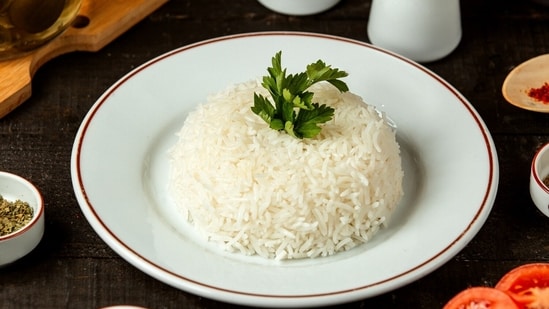
Indian food is based on carbs, with large amounts of staple foods like rice or roti. But adding so many carbs takes your plate away from the balanced meal it should ideally be. Excessive carb intake is responsible for increased blood sugar, which increases the risk of diabetes over time. India is often called the diabetes capital of the world due to the increasing number of diabetes cases. To reduce the risks, dietary changes are necessary, starting with finding better alternatives to basic carbs.
Also read: Endocrinologists share 3 common dinner carbs that spike blood sugar more than chocolate cake: mashed potatoes and more
Suvarna Sawant, chief dietitian and HOD of clinical nutrition and dietetics at Mumbai’s Nanavati Max Super Specialty Hospital, tells HT Lifestyle that now is the time for Indians to move from refined carbs and sugars to fibre-rich, complex carbs to stabilize sugar levels.
There is no need for a complete overhaul of your diet, as the dietitian assures that some parts can remain the same. “Your diet can remain familiar but try to move away from refined, high-GI carbs toward fiber-rich whole grains and pulses,” she said. The only swap involves replacing high glycemic index foods with low glycemic index foods. For those unaware, the glycemic index is a scale that evaluates how quickly a food raises blood sugar after eating. The scale is from 0 to 100.
Here are the key carbs identified by dietitians and what you should replace them with:
1. White Rice, Idli, Dosa

First, dietitian Suvarna suggests eliminating white rice. “It can be replaced with brown rice or indigenous millets like jowar or bajra,” he recommended as healthier alternatives. Unlike white rice, this type of millet has a low glycemic index. “Whole grains and millets are digested slowly and contain fiber content which controls sugar spikes,” says Suvarna.
The type of rice you have is also important. According to the dietitian, it is better to mix rice with dal or vegetables for added fiber content.

Traditional Indian breakfast dishes like idli and dosa are prepared from rice. To make them healthy, Suwarna urges, “Increase dal in the batter or try making ragi or jowar dosa.”
2. White bread, Naan, Bhatura

Second, for all breads from naan to the iconic bhature, the dietitian urged people to adopt healthier options. Revealing the reasons why they can be unhealthy, Suvarna warned, “Refined flour has high GI carbs and little fiber.” Generally, all naan and bhature are made from refined flour.
What should be taken instead? Suravarna recommends eating wheat roti or multigrain chapati as they release energy slowly and provide better satiety.
3. Snacks and sweets
For Indians, a lot of carbs are involved even at snack time. The dietitian advised giving up sugary drinks and sweets. “Fruits, buttermilk or unsweetened lassi, nuts or makhana,” he reminded, are better options for cravings.
Note to readers: This article is for informational purposes only and is not a substitute for professional medical advice. Always seek the advice of your doctor with any questions you may have about a medical condition.
[ad_2]

