

[ad_1]
First identified in 2001, HMPV, or human metapneumovirus, recently came into the limelight in India. Symptoms of HMPV are similar to those of flu and cold, and mild symptoms are usually seen in healthy adults. However, in children and older adults, hMPV can cause serious symptoms. Soon after it was discovered, people linked it to the symptoms of COVID-19. Read this also HMPV cases in India: Doctors say it is linked to kidney complications
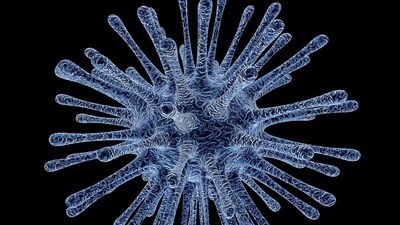
What is HMPV?
Human metapneumovirus (HMPV) is a common respiratory virus that usually causes mild cold-like symptoms. Studies show that it has been circulating in human populations since the 1970s, although it was first identified by scientists in 2001. The virus is responsible for 4–16% of acute respiratory infections globally, with cases typically peaking between November and May. While most adults have developed immunity through previous exposure, HMPV can cause more severe symptoms in infants and people with weakened immune systems who encounter it for the first time.
The World Health Organization announced that unlike COVID-19, there have been no reports of an outbreak pattern of HMPV. But how is it different from COVID-19 and other respiratory viruses? In an interview with HT Lifestyle, Dr Maheshkumar Lakhe, infectious diseases physician, Sahyadri Super Specialty Hospital, Hadapsar, Pune, said, “It is one of the causes of respiratory tract infections in people of all ages and is one of the paramyxovirus family. Is a member. The clinical picture of HMPV largely resembles that of RSV, as the clinical spectrum ranges from mild respiratory illness to moderate or even severe bronchitis and pneumonia that can be fatal. Infants, young children, the elderly and people with weakened immune systems are most affected by this virus and are also at higher risk. Read this also What is HMPV virus and what are its symptoms? Details here
Infectious disease physicians compared HMPV to other respiratory diseases:
hmpv vs influenza
“Respiratory viruses, as they actually form, increase in cold weather due to indoor overcrowding and humid air, and both HMPV and influenza are similar in spreading through respiratory droplets. “Influenza is different because it is annually vaccine-preventable and antiviral drugs like oseltamivir can be used against it, HMPV on the other hand still lacks a vaccine targeting it and treatment consists of simple supportive measures,” Dr. explained.
HMPV vs Respiratory Syncytial Virus (RSV)
“While both viruses are managed primarily through supportive care such as hydration and fever management, RSV has an additional preventive option through the administration of monoclonal antibodies to high-risk infants. “This preventive strategy highlights a gap in the management of hMPV, where no such prophylactic treatment exists,” he said. Read this also HMPV cases in India: Understanding its lesser known impact on eye health

hmpv vs covid
“While HMPV and SARS-CoV-2 share a mode of transmission – via respiratory droplets – the latter is more infectious and has a broader spectrum of symptoms, including unique symptoms such as loss of taste and smell. SARS-CoV -2 can also lead to more serious health consequences such as ARDS, which require specific treatments ranging from antivirals to steroids, and have seen the rapid development and rollout of several effective vaccines,” Dr Maheshkumar Lakhe said. Said.
Disclaimer: This article is for informational purposes only and is not a substitute for professional medical advice. Always seek the advice of your doctor with any questions you may have about a medical condition.
[ad_2]

