

[ad_1]

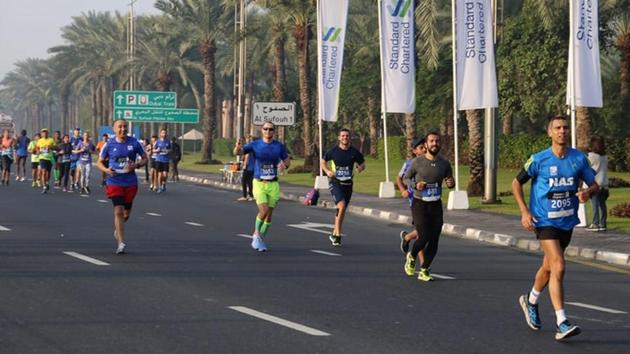
Running a marathon is a holistic challenge that combines physical endurance, mental resilience and proper nutrition. Whether you’re a first-time runner or returning after a break, it’s essential to properly fuel as well as prepare your body and mind.
With the Vedanta Pink City Half Marathon taking place in Jaipur this 15th December, here are expert tips from Deekshika Rawat, fitness trainer at BoxFit, to help you train smart, eat right and enjoy a successful race day.
1. Assess your health before starting
Before going into training, it is important to evaluate your health. If you’ve been inactive for a while, consider getting a medical checkup to make sure you’re fit to resume a running routine.
2. Create a sequential training plan
Develop a training plan that gradually increases your running mileage over time. A common recommendation is to not increase your mileage by more than 10% per week. This slower pace helps your body adapt to longer distances and prevents injuries. Be sure to include rest days and faster workouts in your plan for a balanced approach.
3. Cross-Training for Overall Fitness
To improve your stamina and prevent burnout, incorporate cross-training activities like cycling, swimming or strength training. This will strengthen different muscle groups and increase your overall fitness, helping you become a well-rounded athlete.
4. Establish a warm-up routine
Warming up properly before each race is important for injury prevention and performance. Develop a warm-up routine that includes dynamic stretches and easy jogging to get your blood flowing and muscles ready for action. Stick to this routine on race day to ensure you start off strong.
5. Test fueling options during training
Experiment with different refueling strategies like energy gels, chews or bars to see what works best for you. Your body needs fuel during a long race, but during a race it is important to find something that your stomach can easily digest without any discomfort.
6. Develop mental stamina
Running long distances is a physical as well as a mental challenge. Practice mental strategies like positive self-talk and mindfulness during your training. These techniques will be important in helping you deal with difficult moments during the marathon.
Bringing his expertise to the same, nutritionist and food expert, Suruchi Garg recommended –
1. Stay hydrated at all times
Hydration is important for every athlete, especially when preparing for a long race. Start hydrating a few days before your marathon, not just on the day of the event. Drink plenty of water and consider adding electrolyte-rich beverages such as sports drinks (e.g., Gatorade, Powerade), coconut water or Electra to maintain optimal hydration levels. Herbal teas like peppermint and chamomile can also be soothing options. On race day, balance your water intake with electrolytes to avoid dehydration and cramps.
2. eat plenty of carbohydrates
Carbohydrates are your body’s main fuel source during endurance activities. Aim for 1.5-2.5 grams of carbohydrate per kilogram of body weight per day in the week before the marathon to maximize glycogen stores. Include carbohydrate-rich foods in your diet such as oatmeal with fruits and nuts, whole-grain bread with avocado and eggs, or brown rice with grilled chicken or cheese. On race day, start your morning with a carb-rich breakfast, like whole-grain toast with banana and almond butter or a smoothie bowl with spinach and almond milk, and eat a light breakfast 30 minutes before the race. This will ensure sustained energy throughout the race.
3. Balance pre- and post-race meals
A balanced diet is important, especially on race day. Before a marathon, aim for a meal that includes a combination of carbohydrates, proteins and healthy fats. Some great options include whole grain pasta with marinara sauce and chicken, or quinoa salad with roasted vegetables and sprouts. After the race, focus on recovery with protein and nutrient-rich foods. Start with snacks like fresh fruit, nuts or protein bars, then eat a substantial meal within two to three hours, such as grilled chicken with quinoa and steamed vegetables or whole-wheat bread with lentils and vegetables. This will help restore glycogen levels and promote muscle recovery.
4. Rehydrate properly after the race
Rehydrating after a run is just as important as hydrating before. As soon as you finish the race, be sure to drink plenty of water or electrolyte drinks like coconut water or sports drinks to replenish lost fluids. Including electrolyte-rich foods like bananas, avocados and leafy greens can help balance your hydration levels and aid recovery.
5. Don’t forget your post-race snacks
After crossing the finish line, start eating breakfast as soon as possible. Your body needs carbohydrates and protein for quick recovery, so opt for snacks like fruits, nuts, or bananas and a protein shake with almond milk. This quick intake helps restore energy, and within two to three hours, a balanced meal will aid in complete repair of the muscles.
6. Avoid eating new foods during training
While it may be tempting to experiment with new foods or trendy diets during your marathon preparation, it’s important to stick to what you know works. Avoid consuming unfamiliar foods during your training to avoid digestive issues on race day. Your body needs to adopt specific foods to optimize performance without any surprises.
These simple but effective training and nutrition tips will help you stay energetic and perform your best on race day.
Disclaimer: This article is for informational purposes only and is not a substitute for professional medical advice. Always seek the advice of your doctor with any questions you may have about a medical condition.
[ad_2]

