

[ad_1]
Published on Apr 27, 2024 06:21 PM IST
- From digestive issues to feeling empty, here are some of the somatic symptoms of the freeze reaction.
,

View photos in a new improved layout
Published on Apr 27, 2024 06:21 PM IST
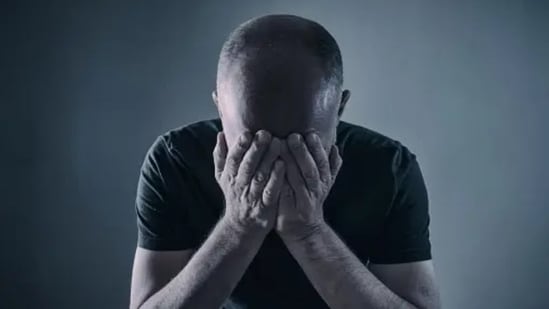
Complex post-traumatic stress disorder is a mental condition that occurs when we are repeatedly or prolonged exposed to traumatic events. “In addition to commonly discussed symptoms such as flashbacks, hypervigilance, and difficulty forming trusting relationships, there are also lesser known manifestations. Individuals with CPTSD experience episodes of depersonalization and derealization, as well as a persistent feeling of being fundamentally different from others. “, where they feel disconnected from themselves or their surroundings,” wrote therapist Maithal Eshaghian. (Unsplash)
,

View photos in a new improved layout
Published on Apr 27, 2024 06:21 PM IST
Postural slumping is a way of shutting down the nervous system to conserve energy. Slouching shoulders, rounded posture and struggling to stay upright are some of the symptoms. (pexels)
,

View photos in a new improved layout
Published on April 27, 2024 06:21 PM IST
The body’s freeze response often shows up as exhaustion. Being extremely tired and feeling mentally and physically exhausted throughout the day is the body’s way of showing trauma. (Shutterstock)
,

View photos in a new improved layout
Published on Apr 27, 2024 06:21 PM IST
Brain fog and a sense of distance occur and make us feel like we are not present in the moment. We may have difficulty concentrating on something. (unsplash)
,

View photos in a new improved layout
Published on Apr 27, 2024 06:21 PM IST
The connection between the brain and the gut can show up in the form of digestive problems. Exposure to too much stress and anxiety can affect our gut health. (unsplash)
[ad_2]

