

[ad_1]
Most women experience some type of discomfort during their monthly menstrual cycles, commonly known as periods. During this period, mild to moderate cramps, swelling, irritability are common and resolve on their own after a few days. However, some women have to endure unbearable pain during this time of the month, making it difficult for them to carry on with their normal routine. If you are experiencing severe pain, it is important not to dismiss it as normal, as it may indicate primary dysmenorrhea or endometriosis. Endometriosis is a condition where cells similar to the lining of the uterus or endometrium grow outside the uterus and cause severe pelvic pain. Here’s how to differentiate between regular menstrual cramps and pain caused by endometriosis. (Also read: Is it PCOS or Endometriosis? Know the difference in symptoms)
How common are menstrual cramps?
“More than 80% of women experience cramps during their menstrual cycle, with symptoms varying from person to person. While mild cramps are common, severe and long-lasting cramps should not be ignored. “Menstrual cramps occur when the uterus contracts to shed its lining, resulting in bloating and abdominal pain,” says Dr Arpana Jain, Director – Obstetrics & Gynaecology, Fortis Hospital Shalimar Bagh.
“Period cramps, also known as dysmenorrhea, bother 80% of women at some point in their lives. These cramps are generally considered a normal part of the menstrual cycle, especially during adolescence and early adulthood. These abdominal or pelvic pain are caused by prostaglandins that are released when the uterus contracts to shed its lining. The intensity of the cramps can range from mild to severe and may be accompanied by lower back pain, nausea, diarrhea. And headaches may also occur. Mild cramps are common and can usually be controlled with home remedies such as heat therapy, light exercise or mild pain relievers. However, sometimes menstrual cramps become severe or debilitating. And can start affecting the quality of life. This may lead to suspicion of an underlying condition like endometriosis,” says Dr Aastha Dayal, principal consultant, obstetrics and gynecology, CK Birla Hospital, Gurugram.
Is endometriosis behind your severe menstrual pain?
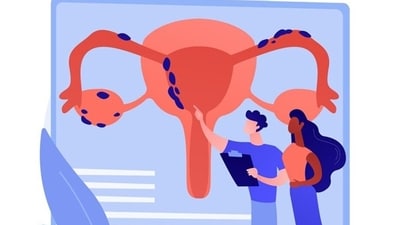
“Endometriosis is a chronic condition where tissue similar to the lining of the uterus grows outside the uterus. It is usually seen in the mid-30s and may affect about 10% of women, although this number may be underdiagnosed or misdiagnosed. “It can cause severe pelvic pain, often associated with menstruation, as well as other symptoms like infertility, fatigue and gastrointestinal issues,” says Dr. Dayal.
Mild to moderate cramps, usually starting a few days before menstruation and lasting 1-2 days, can be controlled with painkillers. However, persistent severe cramps that resist medication require medical attention.
“Endometriosis, which is characterized by persistent pelvic pain before and during menstruation, can also cause pain during intercourse and bowel movements. Abnormal bleeding along with pelvic pain may indicate endometriosis, which requires proper diagnosis and Management requires evaluation by a healthcare provider. Do not tolerate severe menstrual cramps; seek medical advice to rule out possible underlying conditions such as endometriosis,” says Dr. Jain.
“Endometriosis pain tends to be more severe and may not respond well to traditional pain management methods. If someone has increasing menstrual pain over time, general pain in the lower abdomen, or pain during sex, or stool. or pain when urinating, these may be symptoms of endometriosis. This can be confirmed by a gynecologist with a pelvic examination, or by diagnostic tests such as imaging by ultrasound or MRI. Sometimes the diagnosis Laparoscopy may be required to confirm. Endometriosis is a progressive disease and continues to grow with each period. It is important to find it early and help these women manage their symptoms and improve their quality of life. Treatment is important. “Treatment primarily involves pain management and hormonal therapy or surgical removal of endometriosis,” says Dr. Dayal.
“Period cramps typically involve mild to moderate pelvic pain that is usually alleviated with over-the-counter pain medications. Endometriosis, on the other hand, often causes severe pelvic pain that does not respond to standard pain relief methods. While period cramps usually last for a few days during menstruation, endometriosis-related pain can occur at any time during the menstrual cycle and may persist even after the menstrual period. It is,” says Dr. Garima Sahni, senior gynecologist and co-founder, Pristine Care.
“Endometriosis may present with additional symptoms such as heavy menstrual bleeding, pain during intercourse, infertility, gastrointestinal problems, and fatigue. These symptoms are less commonly associated with normal period cramps. If you have severe or debilitating pelvic If you are experiencing pain, it is important to consult a gynecologist to determine the cause and proper management. Ignoring the symptoms can delay the diagnosis and treatment of conditions like endometriosis, which can worsen if left untreated. It can get worse over time,” says Dr. Sahni.
Difference between regular menstrual pain and endometriosis
Endometriosis is a commonly misunderstood condition that is often confused with regular menstrual pain. But there is a difference between the two situations which is important to understand. Although both can cause discomfort and cramping, the main difference lies in the severity and persistence of the symptoms. Dr. Swati Gaikwad, Consultant Obstetrician and Gynaecologist, Motherhood Hospital, Pune explains how to differentiate between endometriosis and period pain.
- Endometriosis pain lasts a long time
Regular menstrual pain can usually be managed with over-the-counter pain medication and usually subsides within a few days. On the other hand, endometriosis pain is often described as excruciating and may continue even after the menstrual cycle. If you suspect that your period pain may be more than normal discomfort, it is important to pay attention to your body’s signals and seek medical advice.
2. Endometriosis can cause chronic pelvic pain
If endometriosis is left untreated it can cause serious complications, including fertility problems and chronic pelvic pain. By understanding the difference between regular menstrual pain and endometriosis, individuals can advocate for their health and work toward effective management strategies tailored to their needs.
3. Over-the-counter pain relievers do not work well for endometriosis pain
Period pain and endometriosis are often lumped together, but their manifestations and effects on a person’s life are different. While menstrual pain is a common discomfort experienced by many menstruating individuals, endometriosis goes beyond normal cramps. It can cause severe, debilitating pain that does not go away with over-the-counter treatments. People with endometriosis may also experience symptoms such as heavy bleeding, fatigue, gastrointestinal problems and infertility that are not typically associated with regular menstrual cramps.
4. Diagnosing endometriosis can be challenging
Furthermore, the diagnostic process of endometriosis can be challenging due to its variety of symptoms and lack of definitive tests. Many individuals with this condition face years of misdiagnosis or dismissal of their symptoms before receiving appropriate care. This delayed diagnosis can have significant consequences on their physical and mental health, highlighting the need for increased awareness and understanding of endometriosis.
“To ensure that people suffering from this chronic condition get the support and treatment they need to effectively manage their symptoms, it is important to differentiate between menstrual pain and endometriosis. It is advisable that only treatment Follow the instructions given by your doctor. Do not take it. “Taking any medicine on your own can be risky,” says Dr. Gaikwad.
[ad_2]

