

[ad_1]
Here’s a dilemma the world’s most popular destinations face – there are too many tourists. Called overtourism, the concept revolves around the influx of people, litter, and overcrowded facilities at a location, threatening the lives of visitors and locals and disrupting the environment. . And hypertourism is everywhere, thanks in part to social media and the need for live content, stories and reels.
Last year, Amsterdam voted to ban cruise ships from the city center to control pollution and rising visitor numbers. And this year, the Dutch capital’s municipal government has said it will not issue permits for new hotels to control visitor numbers and keep pollution under control.
There is a huge issue of overtourism in Venice
Amsterdam is not alone. Many places such as Angkor Wat, Bali, Barcelona and Ibiza have also become victims of overtourism and measures have been taken to combat it.
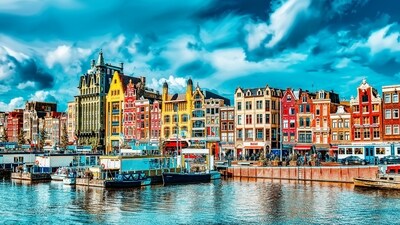

Venice also tops this list. From June 1 this year, the city of canals will limit the number of people in tourist groups to 25 people, not only in Venice but also on the islands of Murano, Burano and Torcello. There will also be a ban on loudspeakers here. In addition, any visitor to Venice who wants to spend the day in the city must sign up for it online and pay a small fee (said to be €5 per person, with some discounts).
Japan to Iceland: Other destinations take a tougher stance
Although the number of tourists and tourism is a good thing, if not controlled it can have many negative consequences.

Did you know, Dubrovnik was named as the most congested tourist destination in Europe last year, causing huge traffic jams and rising prices!
To manage its rising numbers, Japan last year came up with a containment plan that involved moving tourists to less-visited interior areas away from already surging hotspots such as Kyoto and Tokyo.
Iceland – hot on the agenda for travel lovers – has introduced a tourist tax to protect its clean surroundings. The Nordic country is witnessing a huge increase in tourism and former Prime Minister Katrin Jakobsdottir has said that a tourism tax could help deal with the effects of this influx on the country’s environment.

Another top site, Machu Picchu, which was granted prestigious UNESCO World Heritage status in 1983, saw the erosion of stone structures in the Inca citadel due to the staggering number of people visiting the site. According to reports, the Peruvian government will increase the number of daily visitors allowed to enter the Inca citadel.
[ad_2]

