

[ad_1]
Vitamin D deficiency is more common than most people realize. Globally, more than 1 billion people are vitamin D deficient, and almost half the population has vitamin D levels below normal. While vitamin D is widely known to support bone strength, immunity and overall health, many people do not absorb or use it properly. This is because vitamin D does not work alone. Magnesium is needed to convert it into its active form inside the body. Without enough magnesium, vitamin D can remain inactive, even if you are taking supplements regularly. Together, these two nutrients support stronger bones and better muscle function.
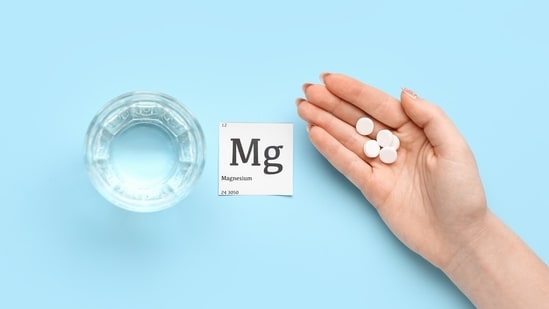
Why is magnesium necessary for the body?
Magnesium is an important mineral that is involved in many biochemical reactions in the body. It plays an important role in energy production, nerve function, muscle movement, and maintaining healthy bones and teeth.
Dietitian Vidhi Chawla, founder of FISICO Diet and Aesthetic Clinic, says magnesium helps Regulates blood pressure and improves insulin sensitivity, which may reduce the risk of type 2 diabetes. It supports athletic performance by moving glucose to muscles and reducing lactic acid buildup, which helps prevent fatigue.
Magnesium is especially important for bone health. It regulates calcium and vitamin D levels, improves bone density, and supports proper bone crystal formation. This becomes even more important for women after menopause, when the risk of osteoporosis increases.
How does magnesium help activate vitamin D?
Many people only focus on vitamin D supplements, but magnesium is what allows your body to actually use vitamin D effectively. A review published in The Journal of the American Osteopathic Association found that vitamin D cannot be properly metabolized without adequate magnesium levels. This means that about 50 percent of people may have vitamin D stored and inactive in their bodies.
Magnesium is needed by enzymes in the liver and kidneys to convert vitamin D, especially vitamin D3, into its active form. Once activated, vitamin D supports calcium absorption, strengthens bones and teeth, improves muscle function, and helps regulate blood pressure and immunity.
As Chawla explains, “Taking vitamin D without adequate magnesium is like having fuel but no ignition. Both nutrients need to work together for optimal benefits.”
5 Key Benefits of Taking Magnesium with Vitamin D
1. Better Vitamin D Absorption
Magnesium activates vitamin D, helping the body absorb and use it efficiently.
2. Strong bones and teeth
Together, they improve calcium absorption and bone mineral density, reducing the risk of fractures.
3. Improves muscle efficiency
This combination helps reduce muscle spasms, cramps and tension.
4. Supports heart health
Magnesium helps control blood pressure, while vitamin D supports heart function.
5. Better mental health
Both nutrients play a role in reducing symptoms of anxiety, fatigue, and bad mood.
Best Food Sources of Magnesium
“To increase magnesium levels naturally, include foods like spinach, almonds, cashews, walnuts, pumpkin seeds, avocado, dark chocolate, edamame, and fatty fish like salmon and mackerel,” says Chawla. If necessary, magnesium supplements can be added after consultation with a doctor.
Recommended Daily Dose
For adults and children ages 9 and older, the upper limit of magnesium supplements is 350 mg per day, excluding dietary intake. Its excessive consumption can cause diarrhea, cramps or kidney problems.
The upper limit for vitamin D from all sources is 100 mcg (4000 IU) per day. Too much vitamin D may cause nausea, confusion, or kidney stones. Dosage should always be individualized under medical guidance.
Symptoms of Magnesium Deficiency
Magnesium deficiency often goes unnoticed. When symptoms do occur, they may include loss of appetite, fatigue, muscle cramps, tremors, numbness, mood changes, and irregular heartbeat. Addressing magnesium levels can greatly improve your body’s response to vitamin D.
(Note to readers: This article is for informational purposes only and is not a substitute for professional medical advice. Always seek the advice of your doctor with any questions you have about any medical condition.)
[ad_2]

