

[ad_1]
There is no dearth of tea lovers across the world who love to enjoy different variations of this extremely popular drink. One of such options is bubble tea, also known as boba or pearl milk tea. A Taiwanese beverage, bubble tea is fun to make and promises to boost your mood and energy levels with its flavor and rich ingredients. Highly customizable, bubble tea is made by adding milk, ice, sugar, fruit and other sweet toppings of your choice to classic or green tea. Although it is an ultimate sensory luxury, regular and excessive consumption of bubble tea can be harmful to health due to its high sugar, fat and simple carbohydrate content. On National Bubble Tea Day, a nutritionist discusses the health benefits, side effects, and recipe of bubble tea. (Also read | To prevent blood sugar from rising, drink a cup of cinnamon tea every day; know all the benefits)
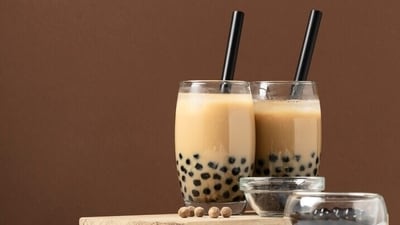
A Taiwanese beverage, bubble tea was created in the 1980s by Liu Han-chieh, who began serving it in his teahouse. Another claim states that Tu Tsung-ho was the creator of this wonderful drink. The idea was to combine milk cream with chewable tapioca pearls to give a unique and refreshing experience to the taste buds. With time this cold beverage became popular throughout the world.
What is bubble tea made of?
Bubble tea is made by mixing it with milk, fruit, fruit juice and finally adding tapioca pearls. Then it is mixed together by shaking well.

Is bubble tea hot or cold?
Although bubble tea is usually made cold, those who want a creamy and delicious tea in winter can also prepare a hot and steamy version to get the warmth.
Why is bubble tea so popular?
The highly versatile bubble tea is a rich, refreshing and delicious beverage. Depending on the ingredients you add, you can have a different experience every time you sip this tea. Being high in fat, sugar and simple carbs, it does not provide significant benefits and could potentially increase the risk of chronic diseases like diabetes and heart disease. However, it may be safe to take it in moderation and occasionally.
Is bubble tea healthy or bad for you?
Nutritionist Abhilasha says that bubble tea hardly has any benefits and can be enjoyed only in limited quantities. Consuming it in excessive amounts can put you at risk of many chronic diseases.
Abhilasha V, chief clinical nutritionist at Cloudnine Group of Hospitals, Bengaluru, HRBR Layout, shares the health benefits and side effects of the popular drink. She also shares a recipe for enjoying in moderation.
High Sugar Content: Bubble tea often contains a lot of sugar, especially if you choose sweet flavors or toppings like tapioca pearls. Excessive sugar consumption can contribute to various health problems such as weight gain, diabetes and dental problems.
Calorie intake: The calorie content of bubble tea can be significant due to the added sugars. Consuming calorie-dense beverages regularly without including them in your overall diet can lead to weight gain.
Tapioca Pearls: Chewable tapioca pearls used in bubble tea are made from cassava root and are typically high in carbohydrates. Although they aren’t inherently unhealthy, they still add extra calories and carbohydrates to your drink.
Nutrient Content: Bubble tea does not provide significant nutritional benefits. It is primarily a source of empty calories from sugar and carbohydrates without essential vitamins or minerals.
Caffeine Content: Some bubble teas contain tea, which means they may contain caffeine. While moderate caffeine consumption may have some health benefits, excessive caffeine consumption may cause problems such as insomnia, nervousness, or increased heart rate.
Benefits of bubble tea
Hydration: Like any beverage, bubble tea can contribute to your daily fluid intake, helping to keep you hydrated.
Antioxidant: If made with tea (such as green or black tea), bubble tea may provide antioxidants such as catechins and flavonoids, which may have health benefits including reducing oxidative stress and inflammation.
Taste: Bubble tea can be a fun way to enjoy different flavors and textures, which can contribute to the overall enjoyment and satisfaction in your diet.
possible side effects
high sugar content: Many bubble tea drinks are rich in sugar, which can contribute to weight gain, insulin resistance, and an increased risk of diabetes and other metabolic disorders.
calorie intake: Bubble tea can be high in calories, especially when it’s made with high-calorie ingredients like sugar syrup, sweetened condensed milk or tapioca pearls.
caffeine: If bubble tea contains tea (such as black or green tea), it may also contain caffeine. Excessive caffeine consumption can cause sleep disturbances, nervousness, increased heart rate, and other side effects.
Tapioca Pearls: The tapioca pearls used in bubble tea are composed primarily of starch and can be high in carbohydrates. Consuming tapioca pearls in large quantities on a regular basis may contribute to excess calorie intake and potential digestive problems for some individuals.
The right way to consume bubble tea
portion control: Enjoy bubble tea in moderation, considering it an occasional drink rather than a daily drink.
Adaptation: Choose low-sugar or sugar-free options when possible and choose healthier toppings like fruit jelly or aloe vera instead of tapioca pearls to reduce calorie and carbohydrate intake.
balanced diet: Bubble tea should be enjoyed as part of a balanced diet that includes a variety of nutrient-dense foods such as fruits, vegetables, lean proteins and whole grains.
Hydration: While bubble tea can contribute to hydration, it’s essential to drink plenty of water throughout the day to meet your body’s fluid needs.
While bubble tea can be a fun and enjoyable beverage, it is important to consume it in moderation and be mindful of its potential health effects, especially its sugar and calorie content. Making informed choices and considering healthier alternatives can help you enjoy bubble tea responsibly as part of an overall balanced diet.
Bubble Tea Recipe
Here’s a basic recipe for classic milk bubble tea (also known as boba tea) with instructions, ingredients, and approximate preparation time:
Material
for tea base
2 cups water
2 tea bags (black tea or green tea, depending on preference)
Sweetener of choice (sugar, honey, or simple syrup) to taste.
For Bubbles (Tapioca) Pearls
1/2 cup dried tapioca pearls
water to boil
for milk tea
1 cup powdered tea (from tea base)
1/2 cup milk (dairy or non-dairy, such as almond milk or oat milk)
Sweetener (optional, to taste)
For serving:
Pieces of ice
Extra-Wide Bubble Tea Straws
Instruction,
1. Prepare the tea base: Boil 2 cups water in a saucepan. Remove from heat and add the tea bags. Leave it for 5-7 minutes or until desired strength is achieved. Remove the tea bag and let the tea cool. Add sweetener to taste while the tea is still hot. Cancel.
2. Cook the tapioca pearls: Bring a pot of water (about 4 cups) to a boil. Add tapioca pearls to boiling water. Stir gently to prevent sticking. Cook for 15-20 minutes or until the pearls are soft but still slightly chewy. Drain the cooked tapioca pearls and rinse with cold water to remove excess starch. Cancel.
3. Make milk tea: Mix 1 cup of prepared tea (cold) with 1/2 cup of milk in a glass. Add sweetener if desired and stir to combine well.
4. Assemble the bubble tea: Place a handful of cooked tapioca pearls in the bottom of a serving glass. Add ice cubes to glass (optional). Pour milk tea mixture over pearls and ice.
5. Serve and enjoy: Insert a wide bubble tea straw into the glass. Stir the bubble tea to combine the flavors of the tea, milk, and tapioca pearls. Sip and enjoy your homemade bubble tea!
approximate time:
Prep Time: 5-10 minutes (for making tea and cooking tapioca pearls)
Cooking Time: 15-20 minutes (for tapioca pearls)
Total Time: About 20-30 minutes
Feel free to adjust the ratio of sweetness to milk based on your preferences. You can also customize your bubble tea by adding flavored syrups, fruit purees, or different types of teas. Enjoy your delicious homemade bubble tea!
If you enjoy bubble tea as an occasional treat and keep an eye on its calorie and sugar content, it can be part of a balanced diet. However, if you’re looking for healthier options, you may want to consider choosing unsweetened varieties, reducing sugar levels, or choosing options like green or black tea without added sweeteners.
[ad_2]

