

[ad_1]
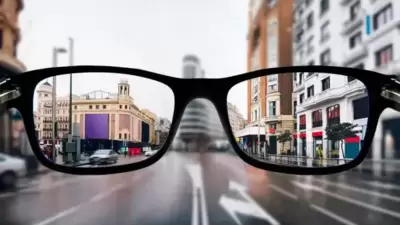
Myopia, also called nearsightedness, is an eye condition where people have difficulty seeing objects that are far away from them. In an interview with HT Lifestyle, Dr. Siddharth Kesarwani, Ophthalmologist, JNR Children’s Eye Care & Squint Clinic, Borivali West, said, “Myopia is a growing vision concern that commonly affects young school-going children , which is often driven by modern lifestyle factors and environmental influences. ,
Also read: Are we facing a myopia epidemic? Nearly 1 billion children may need glasses by 2050
However, myopia is not a disease that occurs only at a certain age. Myopia is a vision concern for everyone, from young children to older adults. Scroll down to know the causes, noticeable symptoms and eye exercises that can improve eye health.
Causes of Myopia:
genetics: Individuals who have one or both parents who are nearsighted have a higher risk than others.
long hours at work: Activities like reading, writing or excessive screen time can affect the development of various components in the eye, leading to poor vision as we age in the developing world.
lack of external display: Insufficient time spent outdoors is strongly linked to the onset of myopia.
environmental factors: Poor lighting and improper posture during close tasks can aggravate the situation. Insufficient time spent in daylight also contributes to the development of myopia.
Also read: Myopia: Causes, treatment and prevention tips for the sudden increase in nearsightedness in India
Symptoms of myopia that should be paid attention to:
blurred vision for distant objects: Difficulty in seeing distant objects clearly while nearby vision remains unaffected.
frequent squint: Trying to increase focus on distant objects by repeatedly slanting the eyes.
eye strain or fatigue: Discomfort may manifest as watery eyes, eye pain, headache and a general feeling of fatigue.
poor academic performance of children: Difficulty seeing the blackboard or whiteboard may reduce engagement in class.

Preventive measures to be taken:
outdoor activities: Encourage children and adults to spend time outside, as natural light helps maintain healthy eye development.
ergonomic practices: Maintain proper distance and posture while using digital devices or reading. Reducing time spent using hand-held gadgets such as smartphones, tabs and gaming devices as well as restricting excessive reading has also been found to be an effective intervention.
regular eye checkup:Progression can be slowed by early detection and correction through regular eye examinations.
healthy diet: Include foods rich in vitamins A, C and E as well as omega-3 fatty acids to maintain eye health.
Also read: Early symptoms of myopia in your child that you should not ignore
Eye exercises that we can do at home:
focus shifting: Alternate focus between a near object and a distant object to increase flexibility.
eye roll: Gently rotate your eyes in clockwise and anti-clockwise direction to relax the eye muscles.
blinking practice: Consciously blink during screen use to prevent eye dryness.
palm massage: Gently cover closed eyes with your palms to relax the eye muscles.
figure eight tracing: Visualize and trace a horizontal figure eight to improve coordination and reduce stress.
Disclaimer: This article is for informational purposes only and is not a substitute for professional medical advice. Always seek the advice of your doctor with any questions you may have about a medical condition.
[ad_2]

