

[ad_1]
Joint pain is the most common complaint among elderly people and the most common cause of joint pain in elderly is osteoarthritis, but there are many other causes of joint pain like bursitis, gout, overuse of joints, fibromyalgia, any injury on the joints. , infection and other systemic diseases, so consult your orthopedic specialist for joint pain for proper treatment.
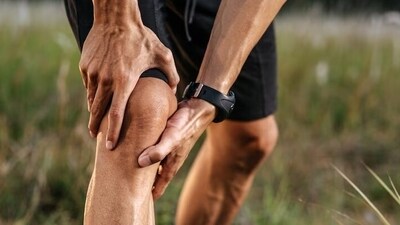
In an interview with HT Lifestyle, Dr. Sandeep Wasnik, Consultant – Joint Replacement and Orthopedic Surgeon, Kokilaben Dhirubhai Ambani Hospital, Mumbai, shared, “The most common cause of joint pain in the elderly is osteoarthritis. Osteoarthritis (OA), also known as degenerative joint disease, usually results from the wear and tear and progressive loss of articular cartilage. Osteoarthritis occurs when the articular cartilage in your joint breaks down and when this happens, the bones in your joint will rub together, creating friction that will cause your joint to wear out and hurt, become stiff, or swollen. It can be either primary or secondary. Primary is caused by age related changes and secondary osteoarthritis is caused by known causes such as trauma to the joint and previous surgery on the joint and others. Osteoarthritis cannot be cured but some treatments can relieve symptoms and will slow the progression of your condition and help you move better.
He suggested the following methods of treatment –
1. Therapy
- physical therapy -: Exercise is one of the most important and early treatments for people with osteoarthritis, no matter your age or fitness level. Your physical activity should include a combination of exercises that will strengthen your muscles and also exercises that will improve your general fitness. A physical therapist shows you some exercises that will strengthen the muscles around your joint, increasing your flexibility and reducing pain.
- occupational therapy -: An occupational therapist can help you find other ways to perform your everyday tasks without putting additional stress on your already painful joint. For example, if you have knee osteoarthritis a chair in your shower may help relieve the pain of standing up.
- weight loss -: Being overweight or obese will make osteoarthritis worse, because it puts extra pressure on your joints.
- Medications: Medications that can help relieve osteoarthritis symptoms, primarily pain, include:
- hangover cure, Paracetamol is known to help people with knee osteoarthritis who have mild to moderate pain. Taking more than the recommended dose of paracetamol can cause liver damage, so it should be used only as per the advice of an orthopedic specialist.
- Nonsteroidal anti-inflammatory drugs (NSAIDs) -: Nonsteroidal anti-inflammatory drugs (NSAIDs), such as ibuprofen and naproxen sodium, taken at recommended doses usually relieve osteoarthritis pain. NSAIDs can cause stomach upset, bleeding problems, liver and kidney damage, so it should be used only as per the advice of an orthopedic specialist. NSAIDs have fewer side effects when applied topically to the skin of the affected joints.
2. Supportive treatment
In addition to lifestyle changes and medications, you will also benefit from a number of supportive treatments that can help reduce your pain and make activities of daily living better and easier.
- Hot or Cold Pack: Applying hot or cold packs to joints can provide relief from the pain and symptoms of osteoarthritis. For example, a person might use a hot pack in the morning to loosen an osteoarthritis joint and a cold pack a few hours after activity to reduce swelling. This process of applying ice packs can be repeated throughout the day.
- Supporting device: If osteoarthritis is causing difficulty with movement or making it difficult to complete activities of daily living, many assistive devices can help. Shock-absorbing shoe soles will help relieve some of the pressure on the joints of your feet while you walk. Special insoles will help distribute your weight more evenly. Knee braces and supports also work in a similar way to distribute weight evenly and relieve strain.
3. Surgical and other procedures
If you don’t feel better with conservative methods, you may want to consider the following procedures:
- corticosteroid injection -: Injecting corticosteroids into your joint can provide pain relief for a few weeks. Your doctor first numbs the area around your joint where the injection is to be given, then inserts a needle into the space inside your joint and then injects the medicine. The number of cortisone injections per year is usually limited to two or three because these can sometimes worsen joint damage over time.
- lubrication injection -: Injections of hyaluronic acid into your joint can relieve pain by providing some cushioning effect in your knee, as it replaces the normal joint fluid. Hyaluronic acid is an ingredient commonly found in joint fluid.
- rearrange the bones -: If one side of your knee is more damaged than the other, an osteotomy may be helpful. For example, in a knee osteotomy, a surgeon cuts the bone above or below the knee joint and then removes or adds the bone, and then heals it in a way that it will support your body weight. Will remove the damaged or worn part. Outer part of the knee. Similarly in the hip joint also.
- robotic total joint replacement-:Joint replacement is called arthroplasty. Arthroplasty is a common orthopedic surgery nowadays which involves replacing the articular surfaces of the joint with prostheses. Robotic joint replacement aims to improve the quality of life of individuals with moderate-severe osteoarthritis by reducing pain and improving physical activity of patients. With the advent of robotics, greater precision and accuracy is achieved in aligning the bones.
Sharing his expertise, Dr. Yash Gulati, Senior Consultant, Orthopedics, Joint Replacement and Spine, Indraprastha Apollo Hospital, New Delhi, said, “Joint pain can be a debilitating experience, affecting your mobility and overall quality of life. Can. For whatever reason.” Whether caused by arthritis, injury, or age-related wear and tear, it is very important to find effective treatments to reduce joint pain. It is very important to find out if joint pain is due to age-related wear and tear or “green flag arthritis.” “Red flag arthritis” caused by inflammatory types of arthritis such as rheumatoid arthritis.
He added, “Treatment between the two may be very different in the early stages as the inflammatory type of arthritis may require specific disease modifying drugs. The type of symptoms, involvement of small joints of the hands and feet, and prolonged stiffness may indicate an early inflammatory type of arthritis. Some blood tests can also help diagnose it.”
In the early stages of non-inflammatory arthritis, he recommends some of the best treatments to consider –
1. Exercise and Stretching: Although it may seem counterintuitive, gentle exercise and stretching can help reduce joint pain and improve flexibility. Low-impact activities like walking, swimming or bicycling can strengthen the muscles around the joints, reducing stress on them. Additionally, stretching exercises can improve range of motion and promote better joint health.
2. Hot and Cold Therapy: Applying heat or cold to the affected joints may provide temporary relief from pain and swelling. Heat therapy, such as a warm bath or heating pad, can improve blood circulation and relax stiff muscles. Cold therapy, such as ice packs or cold compresses, can reduce swelling and numb pain receptors.
3. Over-the-Counter Medicines: Non-steroidal anti-inflammatory drugs (NSAIDs) such as ibuprofen or naproxen can help relieve joint pain and reduce swelling. However, it is essential to follow the recommended dosage and consult a health care professional if you plan to use them for an extended period, as they may have potential side effects.
4. Topical Creams and Ointments: Topical pain relievers containing ingredients such as menthol, camphor, or capsaicin can provide local relief by increasing blood flow and producing a sensation of coolness or warmth. These creams and ointments can be applied directly to the affected joints.
5. Weight Management: Excess weight can put extra pressure on weight-bearing joints like the knees and hips, leading to increased pain and swelling. Maintaining a healthy weight through a balanced diet and regular exercise can help reduce stress on your joints and reduce discomfort.
6. Glucosamine and Chondroitin: These natural supplements are believed to promote joint health by aiding cartilage formation and reducing inflammation. While research on their effectiveness is mixed, some individuals have reported relief from joint pain after adding these supplements to their daily routine.
7. Massage Therapy: Professional massage therapy can help relax tense muscles around joints, improve circulation, and promote overall relaxation. Techniques such as deep tissue massage or trigger point therapy can target specific areas of discomfort and provide relief.
It will be very important to reduce the weight of an overweight patient. In late or end-stage arthritis, surgery may be required in the form of joint replacement.
[ad_2]

