

[ad_1]
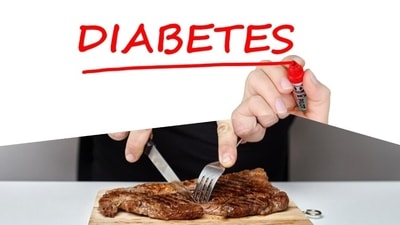
A new study finds that heme iron, found in red meat and other animal products, increases the risk of type 2 diabetes by 26 percent, compared with non-heme iron found in plant-based foods.
Lead author Fenglei Wang, a research associate at the Harvard T.H. Chan School of Public Health in the US, said that while previous studies relied only on epidemiological data, in this study, the researchers “integrated multiple levels of information, including traditional metabolic biomarkers and cutting-edge metabolomics.”
Metabolomics is the study of small molecules within cells and tissues.
“This helps us gain a more comprehensive understanding of the relationship between iron intake and the risk of type 2 diabetes, as well as the potential metabolic pathways behind this relationship,” Wang said. The study was published in the journal Nature Metabolism.
The researchers suggested that reducing red meat intake and adopting a plant-rich diet may help reduce the risk of diabetes.
He said the findings also raise concerns about the addition of heme iron to enhance meat-like taste and appearance in the increasingly popular plant-based meat alternatives.
For the study, researchers used data from 36 years of dietary reports from more than 200,000 adults, about 80 percent of whom were women.
Participants were included from the Nurses’ Health Study I and II, and the Health Professionals Follow-up Study, which looked at risk factors for major chronic diseases.
The researchers analyzed participants’ iron intake from different forms, including heme, non-heme and supplements, as well as their type 2 diabetes status.
In a smaller group of over 37,000 participants, the team looked at the biological processes behind the link between heme iron and type 2 diabetes.
For this, data on participants’ plasma metabolic biomarkers were analyzed, including data related to insulin levels, blood sugar, lipids and inflammation.
The researchers then studied the metabolomic profiles — plasma levels of small-molecule metabolites, which are substances derived from bodily processes such as the breakdown of food or chemicals — of more than 9,000 participants.
“We found that of the different forms of iron intake, only high intake of heme iron was associated with an increased risk of type 2 diabetes,” the authors wrote.
They also found that heme iron accounted for more than half of the risk of type 2 diabetes associated with unprocessed red meat, and also a moderate proportion of the risk for several T2D-associated dietary patterns.
In addition, “we observed that high intake of heme iron was associated with an unfavorable profile of plasma biomarkers in the areas of insulinemia, lipids, inflammation, iron stores, and metabolites associated with type 2 diabetes,” they wrote.
[ad_2]

