

[ad_1]
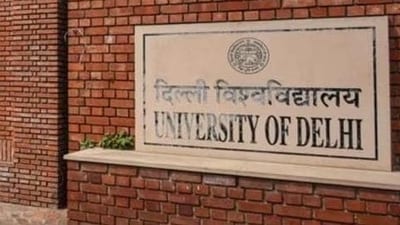
Prominent philosophers, educationists and schoolteachers will gather at a Delhi University college for a two-day conference to discuss the challenges and benefits of teaching philosophy in schools across the country.
The conference – Teaching Philosophy at the School Level: Problems and Prospects – will be held at Mata Sundari College for Women on 19-20 November in collaboration with the Indian Council of Philosophical Research (ICPR).
Speakers include Professor Sundar Sarukkai, founder of Barefoot Philosophers Initiative, Professor Kapil Kapoor, Professor Arindam Chakraborty, Professor Bhagat Oinam and school teachers from Coimbatore, the college said in a statement.
Also read: Retired bureaucrat becomes VC, Registrar of Bihar’s first sports university, details here
It said they would share their experiences on how philosophy can be integrated into school education.
Professor Harpreet Kaur, Principal of Mata Sundari College, said, “This conference represents an important step towards integrating philosophy in school education, fostering a culture of critical thinking and establishing a strong foundation for the discipline.”
The objective of the conference is to explore the potential benefits, challenges and prospects of introducing philosophy as a subject in the school curriculum across the country.
“There are many social science subjects like history, geography and political science (taught as civics at the school level) which are taught from the early school days, i.e. class 3 or even class 2.
“Therefore, when these subjects are taken up for higher studies in colleges and universities, there is an inherent familiarity, experience and comfort level with them,” said Dr. Garima Mani Tripathi, associate professor at the college.
Key conference topics include understanding philosophy as a discipline, methods for teaching philosophy to young students, and practical tools for making the subject accessible.
The goals of the conference also include building consensus on the need to raise the profile of philosophy in schools, making it as familiar and accessible as other social sciences such as history and political science.
[ad_2]

