

[ad_1]
The main course of lunch, the humble ham sandwich, has been the subject of criticism in the press lately. According to several reports, eating two slices of ham a day may increase the risk of developing type 2 diabetes.
But what’s the science behind these headlines?
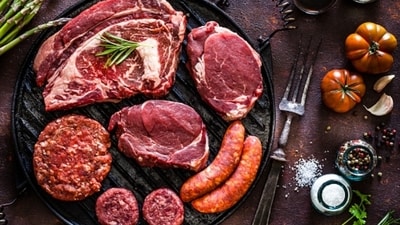
Research paints a more complex picture. A new study from the University of Cambridge uncovered a link between the development of type 2 diabetes and eating processed meat such as ham and bacon and red meat such as beef and lamb. This led to headlines suggesting that the risk was mainly linked to ham sandwiches. This seems to have come from the press release, which used the example of ham to measure how much processed meat was associated with a 15% increased risk of developing type 2 diabetes over ten years.
The research found that this risk was associated with eating an extra 50 grams of processed meat each day, which is the equivalent of two slices of ham. Thus a useful example has been taken up by the media as the main cause, perhaps ignoring some of the key messages coming from the study. So, can processed and red meat really increase your risk of developing type 2 diabetes?
The biggest risk factors associated with developing type 2 diabetes are being over 40, having family members with type 2 diabetes, being of South Asian or African descent, or having a high body weight – and in particular a large waist circumference. The Cambridge study used data from almost 2 million people from 31 studies. Participants were followed for an average of ten years. During this time, about one in 20 people developed type 2 diabetes.
Research has shown that eating an extra 100 grams of red meat per day increases the risk of developing type 2 diabetes by 10%. Eating more than half an extra gram of processed meat per day increases the risk of developing the disease even more.
This is not the first time that both processed and red meat have been linked to an increased risk of developing type 2 diabetes. However, the main strength of the Cambridge study was that it tried to control for a number of other factors associated with the disease, including smoking, excess body weight, dietary intake and exercise.
However, the size of the increased risk is modest, given that few of the people in the study ate 50g or more of processed meat per day – meaning that consuming moderate amounts of ham is unlikely to have any meaningful effect on your risk.
What is the link?
Processed meats have been linked to an increased risk of type 2 diabetes due to the nitrate and salt content they contain – these are additives used to cure many processed meats. The nitrate and salt in processed meats have also been linked to an increased risk of developing colon cancer. In fact, the World Health Organization classifies the additives as Group 1 carcinogens, meaning they can cause several types of cancer.
The mechanism linking processed meat to cancer appears to be similar to the mechanism linked to type 2 diabetes. During digestion, processed meat produces N-nitroso chemicals, which can damage cells. This can cause inflammation and affect the way insulin, the hormone that regulates blood glucose (sugar), works. This in turn can lead to insulin resistance, when cells in your muscles, fat, and liver don’t respond well to insulin and can’t take up glucose from your blood easily.
Meanwhile, red meat is rich in iron. Research shows that people with high iron levels are more likely to develop type 2 diabetes. However, low iron levels are a health concern for the general population. Another possible connection to red meat may be the way it is cooked.
Previous studies have shown that charred meat cooked over an open fire or at high temperatures also increases the risk of developing type 2 diabetes. Burning meat produces toxic chemicals such as heterocyclic aromatic amines and harmful compounds such as advanced glycation end products, both of which have been linked to insulin resistance and type 2 diabetes.
Goodbye barbecue and bacon butties?
The main message is to reduce, rather than abstain. The UK government’s nutritional recommendations give good advice: limit your combined intake of red and processed meat to no more than an average of 70g per day. But these guidelines also suggest that red meat can be a valuable source of iron. So, if you decide to stop eating red meat, you should eat alternative sources of iron such as beans, lentils, dark green vegetables and fortified cereals.
This should be done as part of a carefully planned diet. Meatless sources of iron are more difficult for our bodies to absorb, so should be eaten with a source of vitamin C, which is found in green vegetables and citrus fruits. The best advice for reducing the risk of developing type 2 diabetes is to maintain a healthy weight – consider losing weight if you have excess body weight – and to be as physically active as possible.
A healthy diet should include plenty of vegetables, fruit, beans, peas, lentils, nuts and seeds, as well as some whole grain foods, some dairy products, fish and white meat (or vegetarian alternatives) – as well as moderate amounts of red meat and minimal processed meat. This will help reduce the risk of type 2 diabetes, heart disease and many cancers – as well as being more environmentally sustainable. But if you love to eat a ham sandwich, rest assured you can continue to eat it occasionally. It’s your overall lifestyle and diet that really matters for your health and risk of developing type 2 diabetes.
[ad_2]

