

[ad_1]
A total of 127 AES cases have been reported in Gujarat till Friday and 39 of these have been confirmed to be caused by Chandipura virus (CHPV). While at least 48 people have died due to Acute Encephalitis Syndrome (AES) in the last month, state health department officials suspect Chandipura virus in the AES outbreak.
Reason:
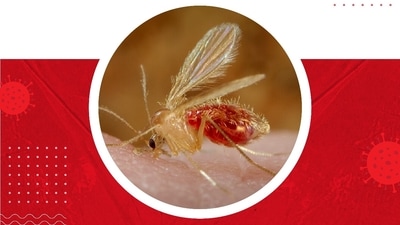
In an interview with HT Lifestyle, Dr Arjun Srivatsa, director and HOD, Institute of Neurosciences at Sakra World Hospital, Bengaluru, explained, “The Chandipura virus (CHPV) belongs to the Rhabdoviridae family and is similar to the vesicular stomatitis virus, which is transmitted through the bite of insects such as the phlebotomine sandfly, Phlebotomus papatasi, and Aedes aegypti mosquitoes. The virus lives in the salivary glands of these insects and can infect the central nervous system, causing severe inflammation of the brain, encephalitis.”
He said, “CHPV mainly affects children under 15 years of age, causing a febrile illness that can be fatal. It is an emerging threat in India, first identified in Maharashtra, and is spread primarily by sandfly bites. The incidence is higher during the monsoon season due to increased sandfly breeding, with symptoms appearing 1-6 days after infection.”
Signs and symptoms:
Dr Arjun Srivatsa said, “Common symptoms of Chandipura virus include sudden onset of fever, vomiting, altered mental status, convulsions, diarrhoea and neurological deficits. Symptoms of meningeal irritation, such as headache, stiff neck, sensitivity to light and seizures, are also common. The virus mainly affects children under the age of 15, especially in rural areas. Affected children often deteriorate rapidly, with many dying within 48 hours of hospitalisation. Diagnosis is done through RT-PCR tests, virus isolation and blood tests to detect antibodies.”
Prevention tips:
Preventing the spread of CHPV is essential and involves several key strategies. “The focus should be on reducing sandfly populations through environmental management and vector control. Personal protection is also important, which includes wearing insect repellents, mosquito nets and long-sleeved clothing. Public health education plays a vital role in raising awareness about the virus and prevention methods,” suggested Dr Arjun Srivatsa.
Treatment:
Dr. Arjun Srivatsa concludes, “Currently, treatment for CHPV is supportive and symptomatic. Early diagnosis is important, and patient management includes addressing airway problems, maintaining fluid balance, and preventing secondary bacterial infections. CHPV is classified as sporadic, with outbreaks occurring occasionally and unpredictably. These outbreaks affect specific regions and populations without any consistent pattern. The sporadic nature of the virus is influenced by factors such as environmental conditions, changes in vector populations, and human activities.”
[ad_2]

