

[ad_1]
“Tourists go home” – that was the sentiment that dominated Barcelona over the weekend, as thousands of locals poured into the streets of their vibrant city to make their displeasure known to passing tourists. Their problem? Too many tourists, too much inflation and too little space.
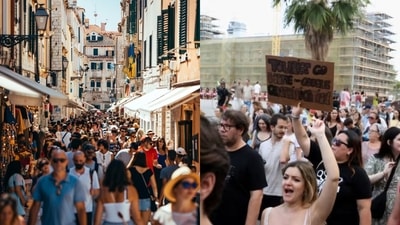
First of all, overtourism is not a new concoction from the land of the Spaniards. Barcelona has recently made global news for their aggressive stance against tourists, but they are not the first city to grapple with the effects of being an oft-visited tourist destination. So what is all this about then?
What is overtourism?
According to the World Travel and Tourism Council (WTTC), before COVID-19, tourism accounted for 10.4% of global GDP. Since then, the figure has fallen slightly, standing at 9.1% last year. As for Barcelona alone, the city reportedly earned 12 billion euros from tourism alone in the pre-COVID era. What, then, could be the city’s problem, as it receives thousands of tourists every day, ready to spend their money and contribute to the economy?
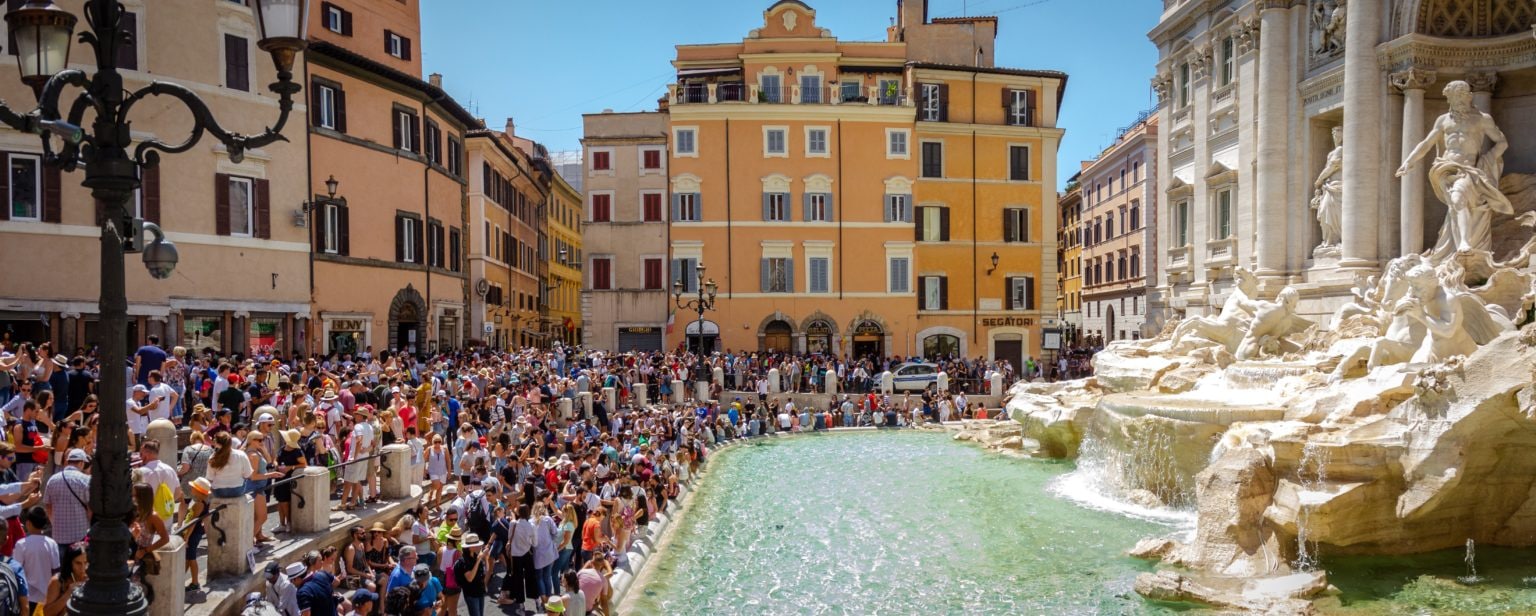
As National Geographic reports, overtourism can best be understood as the way “growing numbers of visitors are harming cities, landmarks, and landscapes”. While this may not seem like a ‘problem’ for which tourists can be blamed as it did in Barcelona last weekend, the long-term impact of overtourism is far more serious than your favourite corners in the city being disturbed by overcrowding.
Why is Barcelona fighting overtourism?
The main cause of controversy for Barcelona is the rising cost of living, which is due to the ever-increasing number of tourists visiting the city during peak travel season. How serious the situation is is evident from the fact that the city has a dedicated neighborhood gathering to decry the decline in tourism. Around 3000 locals took to the streets with brightly colored water guns at tourists, presenting a 13-point manifesto that demanded a ban on tourist accommodations, fewer cruise terminals in the city’s port, and an end to tourism advertisements using public money, as reported by the Washington Post.
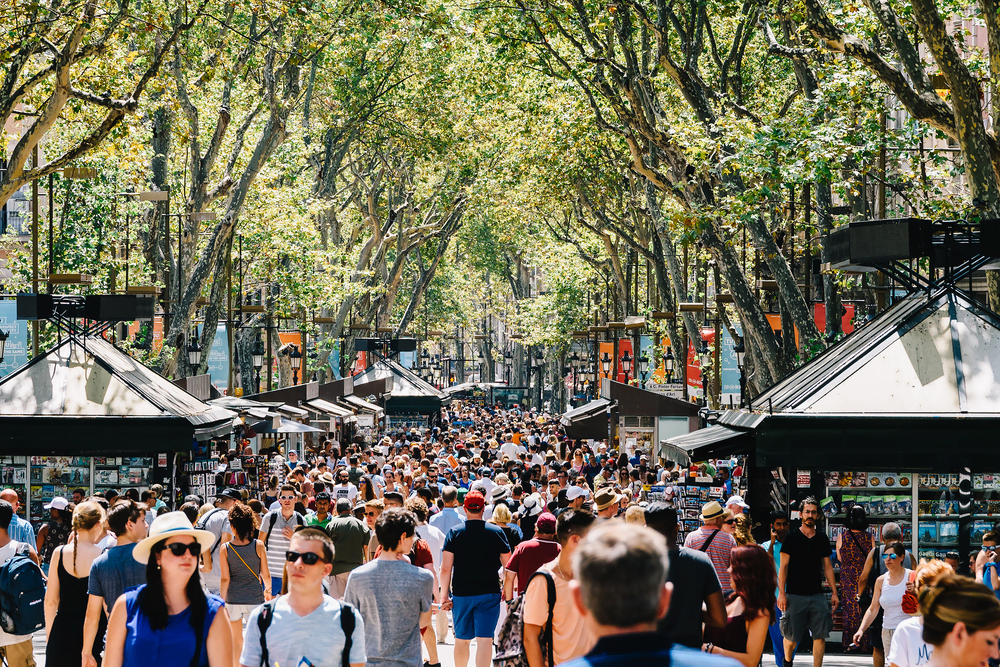
The protests did not go in vain, with Barcelona Mayor Jaume Collboni promising local residents 10,000 residential units dedicated to tourists along with a significant increase in tourist taxes on Saturday itself. This is not the first step taken by authorities to calm the frustrations of locals. According to a report by Bloomberg, the quite popular bus number #116 that carries tourists to Antoni Gaudí’s Park Guell, one of the city’s most popular places to visit, can no longer be found on Google or Apple Maps. This was done by the city council with the intention of decongesting the neighborhood and bus congestion by making it more difficult for tourists to reach the said place, which has pacified the locals for some time.
Barcelona is not alone in this crisis
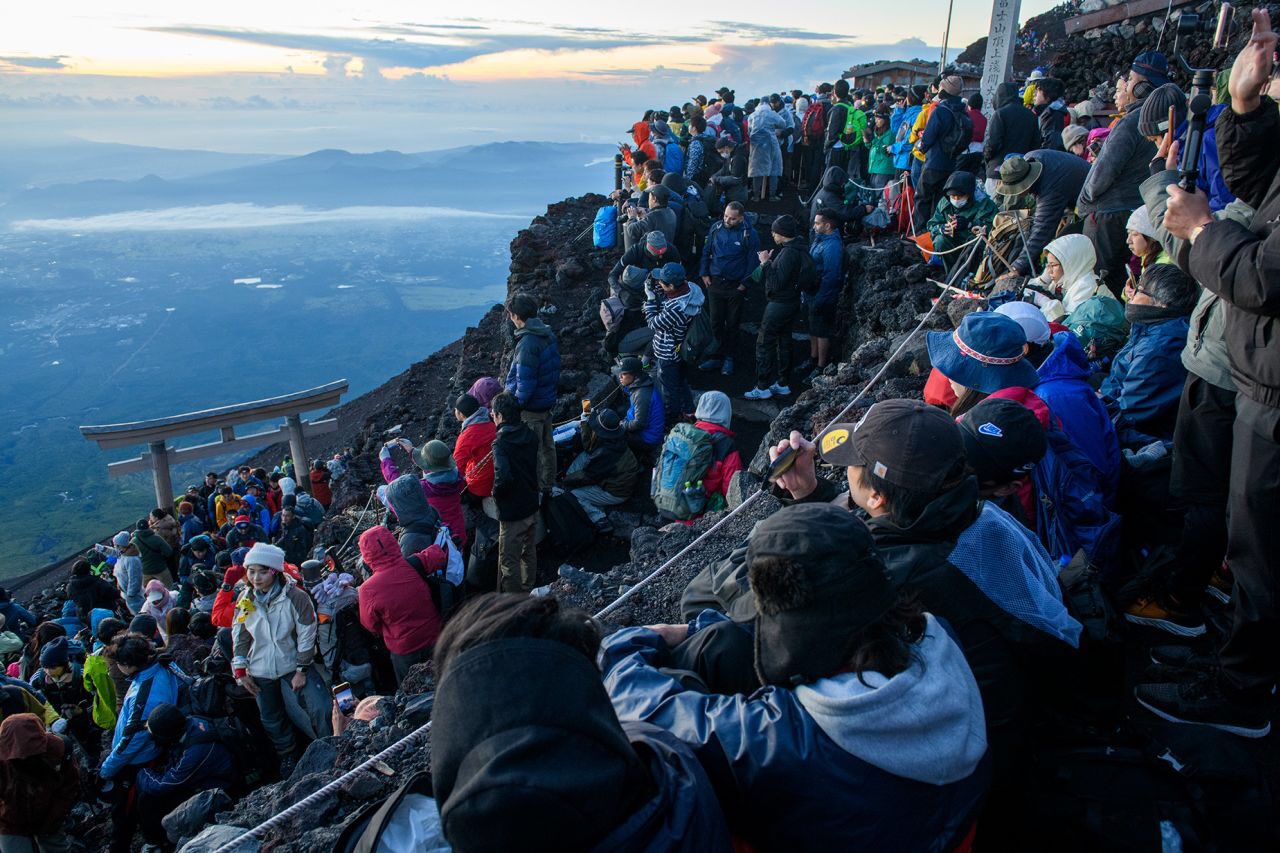
Japan’s spirit of ‘omotenashi’ is very similar to India’s ‘Atithi Devo Bhava’, both principles respect the spirit of caring for guests as one’s own. However, this spirit has been weakened in Japan to a great extent due to the weakening of the Yen (Japan’s currency). Although Japan has long been a favourite tourist destination, it seems that the beautiful cities do not have the literal and emotional infrastructure to deal with overcrowding. Take for example the city of Fujikawaguchiko, which has blocked any opportunity for tourists to take selfies with Mount Fuji in the background, so that these actions do not disrupt traffic. In addition, the tourist fee for bullet trains has increased by 70%, which is a very aggressive increase.
Venice is also battling its own overtourism crisis. Venice, which hosts around 20 million tourists every year, has introduced an ‘entrance fee’ of 5 euros per person from April 2024, which has received a disappointing response, reports CNBC. Mayor Luigi Brugnaro clarified that the purpose behind locking Venice behind some sort of paywall is “not to close the city, but to not let it explode”.
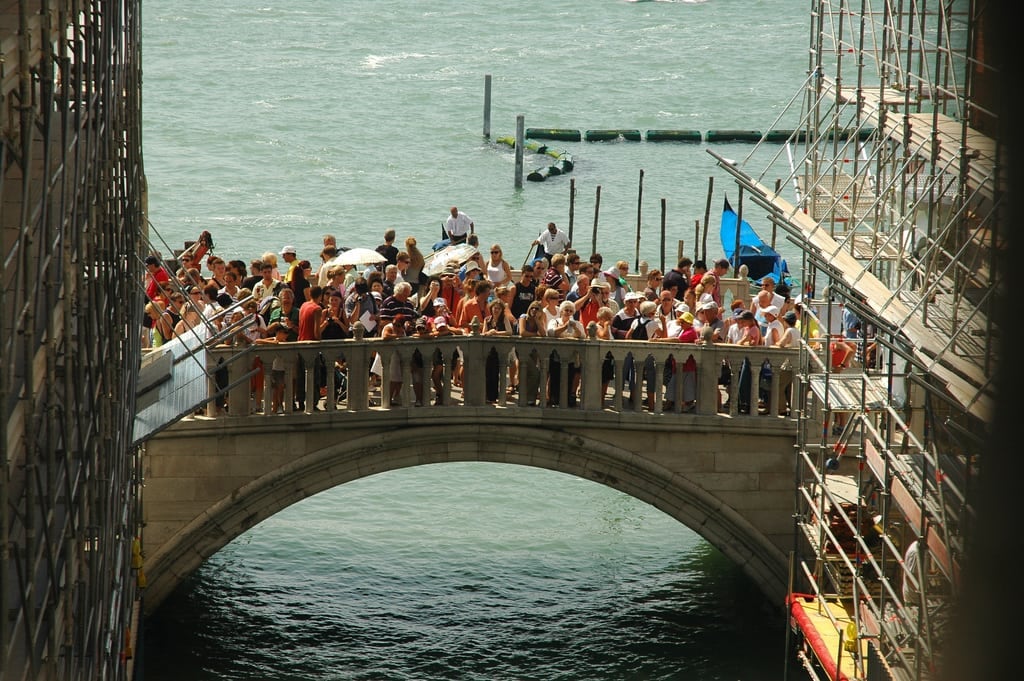
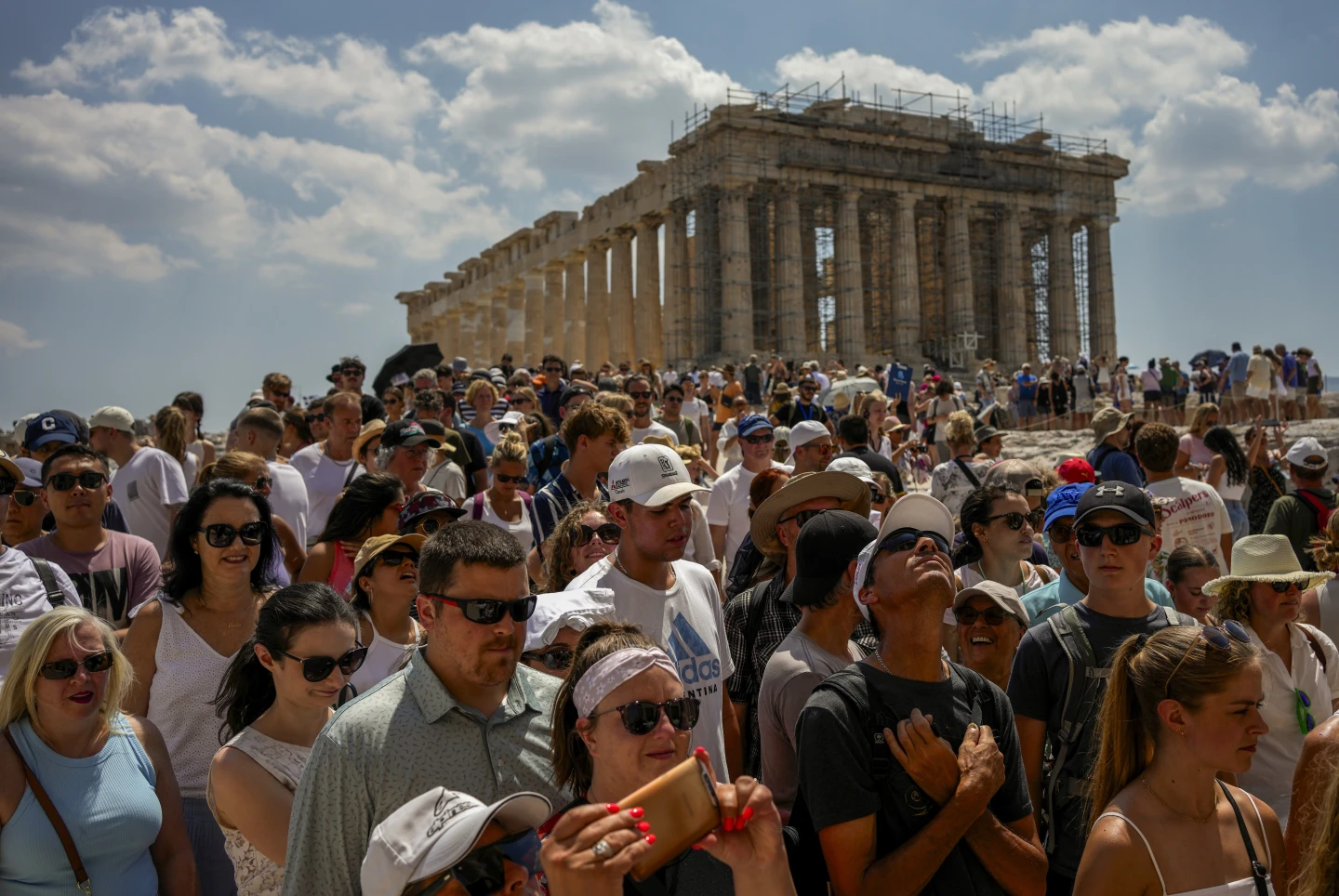
Whether it was Greece implementing a ticketing system to control crowds at the famous Acropolis, or New York banning Airbnb to give more space to locals, or Amsterdam deliberately restricting the construction of new hotels, it seems that welcoming tourists with open arms is now becoming a thing of the past.
Is there any solution to this?
George Mason University economics professor Tyler Cowen believes that significantly raising prices is a reasonable gamble taken by tourist hotspots to control crowds as well as pacify locals, while minimising the economic impact of overtourism. However, is this really ‘fair’ to the demographic of tourists for whom visiting these now-seemingly ‘disreputable’ places is a once-in-a-lifetime opportunity? Of course, this is not to dismiss the concerns of locals who are expressing their objections to losing their cities to foreigners.
Whose side are you on?
[ad_2]

