

[ad_1]
Yoga is well-known for its many physical and mental health benefits, including flexibility, strength and stress reduction, but an often overlooked benefit of regular yoga practice is its ability to enhance balance and coordination, which can significantly reduce the risk of falls, especially in older adults. By incorporating balance poses into your parent’s yoga routine, you can develop better body awareness, strengthen stabilizing muscles and improve their overall sense of balance.
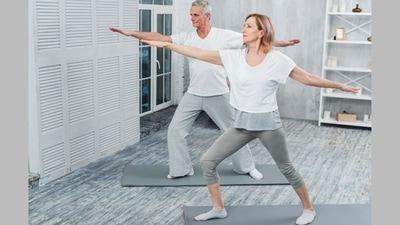
balancing yoga postures
In an interview with HT Lifestyle, Himalayan Siddha Akshar, founder of Akshar Yoga Center, suggests incorporating the following asanas in the yoga practice of senior citizens, which will significantly improve their balance and coordination –
1. Tree Pose:

This classic standing balance pose strengthens the legs, ankles, and core while improving focus. Start by putting your weight on one foot, then place the sole of your other foot on your inner thigh or shin (avoid the knee). Bring your hands to your heart center or lift them up.
2. Warrior III (Virabhadrasana III):
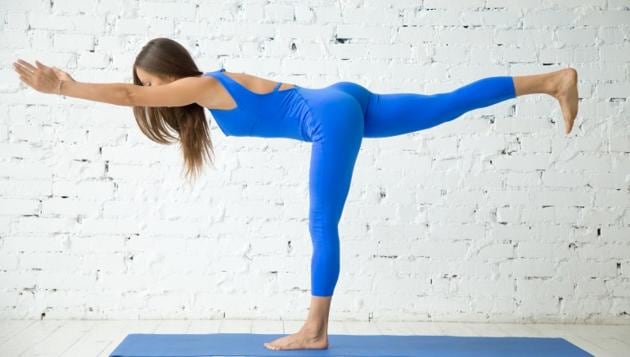
This challenging pose builds strength in the legs and core and improves balance. From a standing position, bend forward at the hips, lifting one leg back to bring your torso parallel to the floor. Extend your arms forward or alongside your body.
3. Half Moon Pose (Ardha Chandrasana):
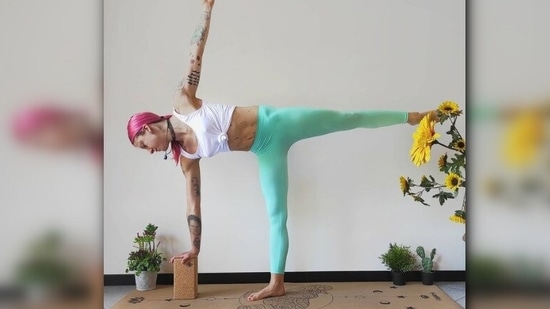
This pose strengthens the legs and core while opening the hips and chest. Standing and bending forward, place one hand on the floor and extend the opposite leg behind you, parallel to the floor. Open your chest and extend your upper arm toward the ceiling.
4. Garudasana:
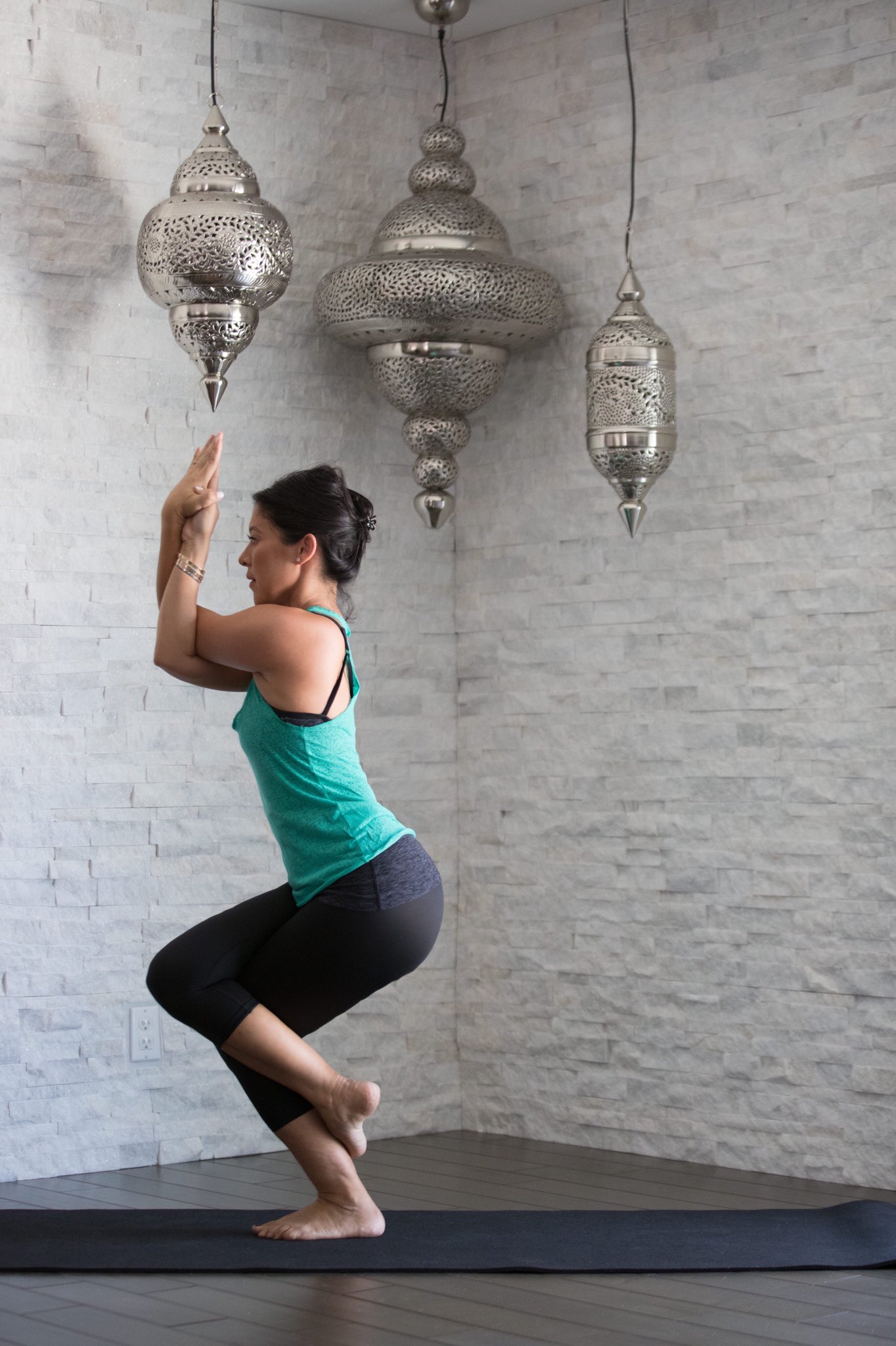
This twisting balancing pose improves focus and strengthens the legs and core. From a standing position, cross one thigh over the other, then wrap the lower leg around the standing leg. Cross your arms in front of your chest, bringing the palms together if possible.
5. One Legged Chair Pose (Eka Pada Utkatasana):
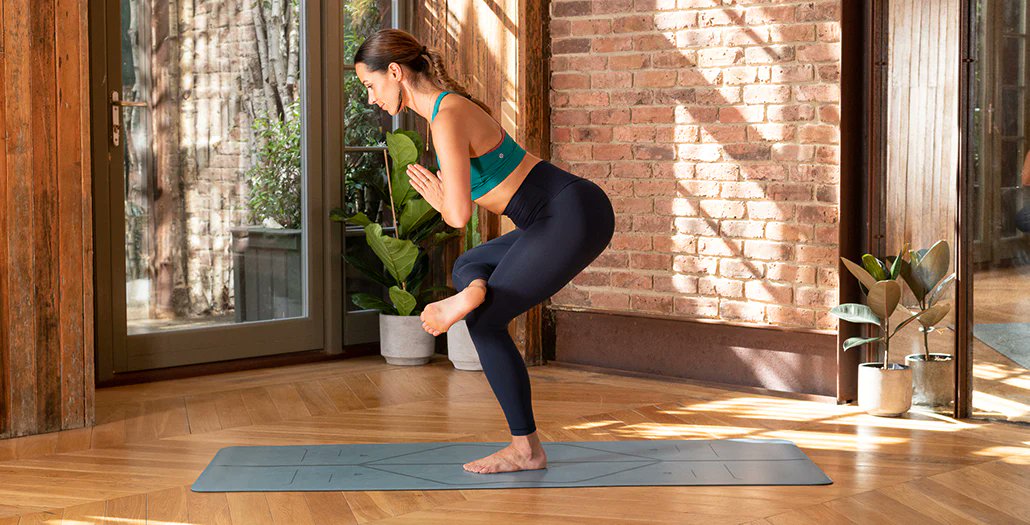
This variation of the traditional chair pose challenges your balance while strengthening the legs and core. From chair pose, slowly lift one leg off the ground, keeping your hips level and your standing leg bent.
Tips for safely practicing balance poses
1. Start with easy variations and progress slowly
2. Use a wall or chair for support when needed
3. Focus your vision on a fixed point to maintain balance
4. Practice on both sides to promote symmetry and overall balance
5. Breathe steadily and deeply during each pose
6. Listen to your body and avoid pushing your limits
Himalayan Siddha Akshar advises, “To reap the full benefits of balance training, aim to practice regularly. Even devoting 10-15 minutes a day to balance exercises can lead to significant improvements over time. As your balance improves, you will notice improved coordination in various aspects of your life, from sports and fitness activities to everyday tasks.”
He concludes, “Remember that progress may be gradual and it is normal to occasionally wobble or lose your balance. The main thing is to remain patient and persistent in your practice. With time and dedication, you will develop stronger muscles, better body awareness, and improved overall balance, which will reduce your risk of falls and increase your quality of life.”
[ad_2]

