

[ad_1]
The European Union (EU) imposed additional tariffs on electric vehicles (EVs) made in China, due to which Beijing has filed a complaint with the World Trade Organization (WTO). It is the second time Chinese EVs sold in Europe have been hit by a tariff hike, with EU officials calling for fair competition while Chinese counterparts expressed outrage.
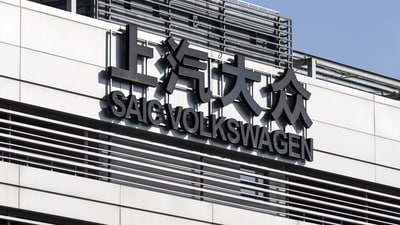
Currently, cars made in China attract a duty of up to 10 percent and the recently announced duty will be in addition to this. It is reported that companies like Geely will now face an additional duty of about 18.8 percent, while SAIC will face a tariff of 35.3 percent. This figure will vary from brand to brand, but in short, units imported from China and sold in Europe will become more expensive.
(Also read: China asks local carmakers to restrict advanced EV technology to domestic market)
So why is the EU targeting Chinese EVs? “By adopting these proportionate and targeted measures after rigorous scrutiny, we are standing up for fair market practices and the European industrial base,” EU trade chief Valdis Dombrovskis said. “We welcome competition, including in the electric vehicle sector, but it must be based on fairness and a level playing field.”
China reacted sharply and lodged a complaint with WTO. “China… will take all necessary measures to firmly safeguard the legitimate rights and interests of Chinese companies,” Beijing’s commerce ministry said.
Chinese EVs have blocked Europe
An EU investigation earlier this year found that Chinese EV makers were benefiting from government subsidies and policies that allow each to make products at low costs and then sell them on foreign shores at equally low prices. Which hurts competition. Chinese EVs have become increasingly popular in many European countries as the brands have significantly improved quality and reliability concerns, and mainly because they are far more affordable than comparable models from European car companies.
(Also read: Study estimates one in three cars sold by 2030 will be from a Chinese brand)
But Beijing had previously called the imposition and increase of tariffs unfair, even terming them ‘unfair protectionist practices’.

Not everyone in Europe agrees with the idea of tariffs on Chinese EVs. Many European brands do business extensively in China, the world’s largest vehicle and EV market. The concern – and even the fear – is that any reactionary steps by Chinese officials would have deeply damaging effects on their own prospects. According to news agency AFP, Germany’s leading auto industry group has also warned of tariff increases, which would increase the risk of a long-term trade war.
Earlier this month – on October 8 – China confirmed it would impose temporary tariffs on brandy imported from the EU. The country has also launched an investigation into EU subsidies on dairy and pork products. Is this a sign that European-made cars may also be hit by tariff hikes in China?
[ad_2]

