

[ad_1]
Yoga has been practiced for thousands of years and has recently gained recognition as a complementary approach to managing a variety of mental health conditions, including depression. Although yoga should not replace professional medical treatment, it can be a valuable addition to a comprehensive depression management plan.
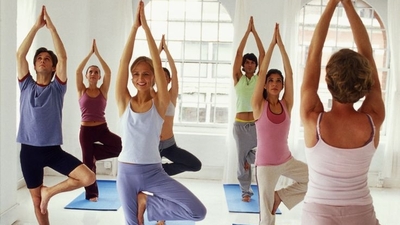
In an interview with HT Lifestyle, Himalayan Siddha Akshar, founder of Akshar Yoga Centre, suggests several yoga techniques that can help reduce symptoms of depression –
1. Sun Salutations (Surya Namaskar):
This flowing sequence of postures coordinates the breath with movement, increasing circulation and energy flow throughout the body. The rhythmic nature of sun salutations can help calm the mind and improve mood. Practicing 5-10 times daily, especially in the morning, can help establish a positive routine and increase motivation.
2. Backbends:
Asanas such as Cobra (Bhujangasana), Bridge (Setu Bandhasana) and Camel (Ushtrasana) open the chest and heart area. These asanas are believed to prevent physical manifestations of depression, such as slouched posture and shallow breathing. Backbends can promote a sense of openness and help improve one’s mood.
3. Inversion:
Asanas that invert the body, such as headstand (Sirsaasana), shoulder stand (Sarvangasana), or even the simple legs-up-the-wall pose (Viparita Karani), are believed to change blood flow and stimulate the nervous system. These asanas can help change perspective and provide a sense of renewed energy.
4. Forward Bend:
Practising Paschimottanasana (Seated Forward Bend) and Standing Forward Bend (Uttanasana) can have a calming effect on the nervous system. These postures encourage introspection and can help calm an overactive mind, reducing the anxiety and rumination often associated with depression.
5. Balancing Posture:
Tree Pose (Vrikshasana) and Warrior III (Virabhadrasana III) require focus and concentration, which can help distract from negative thoughts. The act of finding physical balance can translate into emotional balance and improved self-confidence.
6. Restorative yoga:
This gentle form of yoga uses props to support the body in passive postures for long periods of time. Restorative poses such as Supported Child’s Pose or Reclined Bound Angle Pose can activate the parasympathetic nervous system, which promotes relaxation and reduces stress.
7. Pranayama (breathing exercise):
Specific breathing techniques can have powerful effects on mood and energy levels. Alternate nostril breathing (nadi shodhana) can help balance the nervous system, while victorious breathing (ujjayi) can be calming and stabilizing. Deep abdominal breathing (diaphragmatic breathing) can activate the relaxation response and reduce anxiety.
8. Yoga Nidra:
This guided meditation practice, often called “yogic sleep,” involves lying in shavasana (corpse pose) while following verbal cues to systematically relax the body and mind. Regular practice of yoga nidra can help reduce symptoms of depression and anxiety by promoting deep relaxation and self-awareness.
9. Mantra meditation:
Repeating a mantra or positive affirmation during yoga practice or meditation can help keep the mind away from negative thoughts. Simple mantras or personal affirmations such as “So Hum” (I am That) can be powerful tools for changing perspective.
10. Healing Walk
Raise your arms up keeping them shoulder-width apart. Now, start walking in this position with your arms raised up and your hands can stay in the air for 1-3 minutes. This may not be possible in the beginning as you have to train and strengthen the muscles of your arms and shoulders. Gradually increase to 1-3 minutes, start with one minute increments and do it until you are physically capable with the strength required to keep your arms straight for 1-3 minutes. For one round of practice you have to do at least three sets of these walks of 1-3 minutes each.
Himalayan Siddha Akshar emphasizes that by consistently practicing these yoga techniques, one can experience improvements in mood, energy levels, and overall health. The combination of physical movement, breath awareness, and mindfulness inherent in yoga practice can provide a holistic approach to addressing the complex nature of depression.
Disclaimer: This article is for informational purposes only and is not a substitute for professional medical advice. Always seek the advice of your doctor for any questions about any medical condition.
[ad_2]
