

[ad_1]
Spinal Cord Injury Day, which is observed every year on September 5, is an essential reminder of the importance of protecting our spinal cord. According to a WHO report, more than 15 million people worldwide are living with spinal cord injuries, highlighting the critical need for awareness and prevention. The spine is an extraordinary structure that supports our entire body, facilitates movement and supports the spinal cord, which together with the brain forms the central nervous system. The spinal cord is critical for movement, sensation, bowel and bladder control, breathing and autonomic functions such as heart rate and blood pressure regulation. Any injury to the spinal cord can have life-changing consequences. Unfortunately, spinal cord injuries are prone to complications and back pain has become a global epidemic, often leading to disability due to sedentary lifestyles and poor posture. In fact, back pain is considered by the WHO to be the most common cause of disability globally. This article provides a comprehensive lifestyle guide to help you understand, prevent, and reduce your risk of spinal cord injuries and various spine diseases.
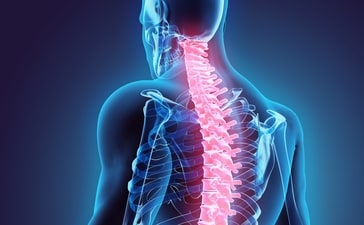
Understanding spinal cord injuries
Spinal cord injuries occur when the spinal cord is damaged, usually due to traumatic events such as accidents, falls, sports injuries and violence, and non-traumatic causes such as infections, tumors or neurological diseases. According to the WHO, most spinal cord injuries are preventable, making them largely preventable. The severity of these injuries varies, with consequences ranging from partial loss of ability to function below the injury to complete paralysis, which may be temporary or permanent. Since, like the brain, the spinal cord does not have the innate ability to regenerate, if a spinal cord injury is complete (all cells at a particular level die, resulting in no sensation or movement below the level of injury), the person remains paralyzed for life with the technology available so far. Preventing such injuries requires a proactive approach to spinal cord health.
Spinal Cord Injury-Specific Precautions
Prevent Road Traffic Accidents: Drive safely: Motor vehicle accidents are a leading cause of spinal cord injuries. Always wear your seatbelt, make sure child safety seats are properly installed, and practice defensive driving. Avoid speeding, drunk driving, and distracted driving to reduce the risk of accidents.
Avoid falling: Falls are the most common cause of spinal cord injuries in many studies. Use safety precautions such as harnesses to prevent falls, avoid climbing trees or hills without safety gear, and take extra caution near construction sites or unsecured wells. At home, remove hazards that could cause a fall, be careful on stairs and wet surfaces, and ensure good lighting and railings on stairs.
Prevent sports and recreational injuries: Follow safety guidelines and rules in sports. Wear proper safety gear and avoid diving headlong into unknown water bodies. These precautions can prevent serious injuries.
General precautions for prevention of spinal diseases
Engage in regular exercise and physical activity: Regular physical activity helps control weight, strengthens the muscles that support your spine, and improves overall spine health. Exercises such as walking, swimming, and strength training, along with activities that target core muscles such as yoga and Pilates, are effective in stabilizing the spine and reducing the risk of injury.
Prioritize good posture: Proper posture is important for spinal health. Whether you’re sitting, standing, lying down, working or lifting anything, maintaining correct posture reduces stress on your spine. Use ergonomic chairs, keep your computer screen at eye level and use proper lifting techniques to protect your spine.
Maintain a healthy weight: Excess weight can put pressure on your spine, increasing the risk of back pain and injury. Achieving a healthy weight through a balanced diet and regular exercise is essential for spinal health.
Practice safe lifting techniques: Whether lifting weights at the gym or during everyday activities, proper technique is a must. Always lift items using your legs, not your back. Bend your knees, activate your core and keep the load close to your body to prevent spinal strain.
Invest in a good mattress: A good mattress that doesn’t sag and supports the natural alignment of your spine can prevent back pain and discomfort. Choose a mattress that suits your sleeping style and provides proper back support.
Choose supportive shoes: Shoes play an important role in maintaining proper alignment and reducing the risk of back pain. Choose shoes with good arch support and avoid wearing high heels and uncomfortable shoes that can alter your posture and put pressure on your spine.
Stay hydrated: Dehydration can reduce disc height, increasing the risk of back injuries. Drinking enough water throughout the day keeps your spinal discs well-hydrated, allowing them to support your spine effectively.
Quit smoking and limit alcohol consumption: Smoking reduces blood flow to the spinal cord, which impedes healing, while excessive drinking weakens bones, increasing the risk of fractures. Quitting smoking and reducing alcohol consumption will improve spinal cord health.
Final Verdict
Spinal Cord Injury Day highlights the need to protect your back and spinal cord. People with spinal cord injuries are at risk of developing debilitating and even life-threatening secondary conditions, which can lead to premature death. By adopting these lifestyle changes, safety precautions, and prevention measures, you can substantially reduce your risk of spinal cord injury and enjoy a life free from debilitating pain or disability. Remember, prevention is the cornerstone of spinal cord health. The saying “prevention is better than cure” is particularly relevant to spinal cord injuries. Prioritize your spine health today for a healthy, injury-free tomorrow.
Inputs by Dr HS Chhabra, Head, Spine & Rehabilitation Centre, Shri Balaji Action Medical Institute
[ad_2]

