

[ad_1]
Diabetes significantly increases the risk of heart disease, including cardiac arrest, where high blood sugar levels over time can damage the blood vessels and nerves that control the heart. Diabetes is often associated with other risk factors for heart disease, such as high blood pressure, high cholesterol levels and obesity.
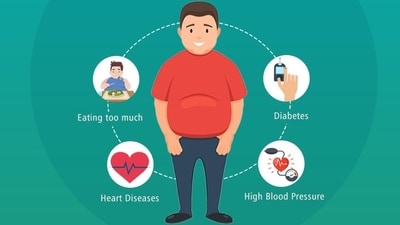
In an interview with HT Lifestyle, Dr TS Kler, Chairman and HOD, BLK-Max Heart and Vascular Institute at BLK Max Super Specialty Hospital, explained, “Individuals with diabetes have a higher risk of developing coronary artery disease, which leads to heart disease. A stroke may occur. And ultimately cardiac arrest. Heart failure is a long-term effect of diabetes, and people with diabetes are more likely to develop heart disease at a younger age than people without diabetes. We will need to maintain proper management of diabetes through medication, lifestyle changes and regular medical checkups are necessary to reduce the risk of cardiovascular complications including cardiac arrest. People need to follow a certain plan and systematic approach to have a long and healthy lifestyle.
He suggested that diabetic patients need to take several precautions to prevent cardiac arrest, including:
- Management of blood sugar levels – Keeping blood sugar levels within a target range helps reduce the risk of cardiovascular complications.
- Healthy Diet – Following a balanced diet low in saturated fat, cholesterol and sodium and high in fruits, vegetables, whole grains and lean proteins helps heart health. Food rich in omega-3 fatty acids helps prevent heart failure.
- regular exercise – Engaging in regular physical activity helps control blood sugar levels, improve circulation and strengthen the heart.
- Medication Adherence – Taking prescribed medications, such as insulin or oral medications, as directed by healthcare providers helps manage diabetes and reduce cardiovascular risks.
- Blood pressure and cholesterol monitoring – Keeping blood pressure and cholesterol levels under control through regular monitoring and medication if necessary reduces the risk of heart disease.
- Lifestyle modification – Avoiding smoking, limiting alcohol intake, and managing stress effectively contribute to overall heart health.
- Muscles – People with low muscle mass have a higher risk of mortality from cardiovascular disease, all leading causes of mortality. Increasing muscle mass helps in dealing with the problem.
- Regular medical check-up – Regular checkups with healthcare providers help in monitoring diabetes management and early detection of any signs of heart-related problems.
The risk of cardiac arrest can be a serious concern for patients suffering from diabetes, but proactive steps can reduce this risk and enhance overall heart health, said Dr Sumit Sahni, physician at Shivam Hospital. First, optimal blood glucose must be maintained. Levels are paramount through frequent monitoring, medication adherence and a balanced diet. Stable blood sugar levels help reduce stress on the heart and reduce the risk of cardiovascular complications.
He revealed, “Regular physical activity in line with individual capabilities and medical recommendations plays an important role in cardiovascular health. Exercise not only improves insulin sensitivity but also strengthens the heart muscle, increases circulation and helps control weight, all of which are important to prevent cardiovascular problems. Equally important is the management of additional risk factors such as high blood pressure, high cholesterol and smoking, which can increase cardiovascular complications in diabetic patients. Collaborating closely with healthcare providers to develop personalized management plans, including regular checkups and screenings, empowers individuals to proactively address potential concerns and make informed decisions regarding their heart health.
Finally, Dr. Sumit Sawhney advised, “By prioritizing comprehensive diabetes management, adopting a heart-healthy lifestyle, and promoting open communication with health care professionals, diabetic patients can effectively reduce their risk of cardiac arrest.” and protect your long-term health. As the saying goes, “In the journey to heart health, active management of diabetes serves as a compass guiding individuals toward the path of vitality and longevity.”
[ad_2]

