

[ad_1]
Have you noticed yourself feeling lighter, happier or more excited these days? It’s not just festive fun. Diwali, with its lights, decorations, sweets and celebrations, can naturally boost your brain’s happy chemicals – dopamine, serotonin, oxytocin and endorphins. Studies and experts support this. “A 2019 study published in Frontiers in Psychology suggests that shared cultural experiences (events, traditions, activities) can improve mood regulation and promote long-term mental well-being,” says psychiatrist Dr. Sneha Sharma, co-founder of Anvay Healthcare.
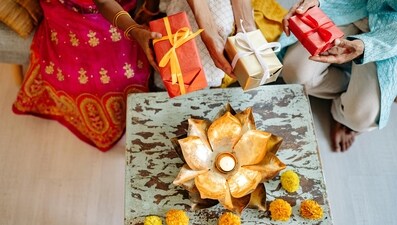
These happy hormones work together to make you feel rewarded, calm, connected and joyful, making the festival a profound impact on your mental health.
Even workplaces are noticing this impact and motivating their employees to make the best of the festive season. Recently, a Delhi-based PR firm gave its employees nine days of Diwali leave and encouraged them to turn off emails and relax. As the internal email said: “When you return, be ten times happier and completely refreshed for new adventures.”
How do rituals and social relationships help?
reward hormone
Before Diwali, many people start cleaning and arranging their homes, a tradition that does more than just prepare the space. Completing tasks like decluttering and cleaning triggers the release of the brain’s ‘reward hormone’ dopamine, which creates a feeling of satisfaction and motivation. This practice is not unique to India. In Japan, a similar ritual at the end of the year called Osoji or ‘Great Cleansing’ involves discarding unnecessary items to purify both the home and the mind. Giving things or helping those in need also activates the brain’s reward centers.
bond hormone
Visiting family and friends during festivities boosts oxytocin, the ‘bonding hormone’, which promotes feelings of closeness and reduces feelings of loneliness. “Researchers have found that participating in festive rituals strengthens social bonds and increases emotional well-being. Happiness also spreads easily within groups, a phenomenon psychologists call emotional contagion,” says Dr. Dhruv Chaturvedi, director of neurology at PSRI Hospital. Small moments, like looking out at shining streets or laughing with loved ones, create a sense of happiness and connection. “Diwali feels really special when I go back home and see the streets full of lights and colours. Such experiences leave me completely refreshed,” says content creator Ruchika Lohia.
soothing and stress relieving hormones
Pleasure and sensory experiences boost serotonin, the hormone that balances mood and promotes calmness. The glow of lamps, the fragrance of flowers, the taste of sweets and the sound of fireworks together make a person feel grounded and happy.
Kindness also goes a long way. “Studies show that acts of kindness trigger ‘feel-good’ neurochemicals, improving emotional regulation and reducing stress over time. Giving gifts, sharing sweets, or donating to people in need triggers endorphins, the body’s natural stress relievers, which reduce stress while increasing happiness. Make a rangoli, decorate the house, or dance to music. Activities like walking also stimulate endorphin release. “Festivals give us opportunities. Disconnect. Diwali, with its lights and togetherness, rekindles the warmth and positivity that we really need,” says actress Sheena Chauhan.
[ad_2]

