

[ad_1]
One of the biggest travel trends of 2024 is spiritual tourism. According to Travel Aggregators, there has been a 97% increase in searches for spiritual destinations in the last two years. Ayodhya saw a 585% increase in searches since the inauguration was announced and from India it increased by 1806%. According to MakeMyTrip, interest in Ayodhya has increased globally with maximum search contribution from the United States, Gulf, Canada, Nepal and Australia.
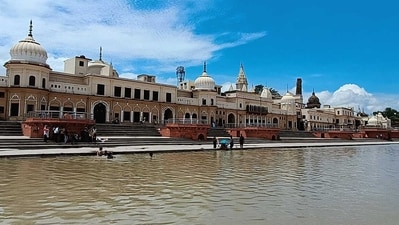
According to various estimates, 300,000 to 700,000 people are likely to visit the Ram temple in Ayodhya in the first week after its inauguration. To bring you the most fascinating elements of Ayodhya, we speak to Dikshu Kukreja, the master planner of Ayodhya city.
Talking about the most unique features of the city, he says, “The Ram Janmabhoomi Tirtha Kshetra stands as a unique testament to the revival of the old world charm of Ayodhya, reminiscent of the mythological stories of Ram Nagari and Ram Rajya. Gives.”
Revival of mythological sites
The authorities have rejuvenated the Saryu river bank which finds special mention in the Ramayana. Also known as Ghaghra, Rama, along with the residents of Ayodhya, traveled through this river to Vaikuntha Loka and later became gods in heaven. “Rejuvenation of the Saryu riverfront, restoration of 108 kunds (water bodies) and establishment of green spaces including spiritual forests are being done. An extraordinary aspect lies in the construction of the Ram temple, where approximately 4.75 lakh cubic feet of Bansi Paharpur stone from Rajasthan (popular for its shine and longevity) has been used, with approximately 1,200 artisans engaged in carving these stones. Exhibits meticulous craftsmanship. Rajasthan and at the Ayodhya workshop run by the trust,” says Kukreja.
The choice of stone instead of iron or cement ensures the earthquake-resistant capacity of the temple. “Another unique aspect is the development of Ramayana Van, an ecological forest on the banks of river Saryu that promises to become a cultural landmark, preserving and celebrating the rich heritage associated with Ayodhya and the Ramayana. “This forest will showcase the lifestyle of Lord Rama during his 14-year exile and the rich tapestry of the Ramayana,” says Kukreja.
Must visit places
As you wander through the old city, the charming Lata Mangeshkar Chowk reflects the essence of historical richness. A 40 feet long, 12 meter high, 14 ton classical Indian instrument Veena with lotus has been installed at this square near Naya Ghat. Designed by Ram Vanji Sutar, the same sculptor who designed the world’s tallest statue – Sardar Vallabhbhai Patel’s Statue of Unity – in Gujarat.
Explore the spiritually significant Panch Kosi and 14-Kosi Parikrama, pilgrimage routes that pass through the sacred landscape of Ayodhya. During Kartik Purnima, the city will come alive with a vibrant Kartik fair, filling the air with festive cheer.
Discover the architectural marvel of Sugriva Mahal and soak up the spiritual atmosphere at Ram Ki Paidi, a series of ghats along the banks of the Saryu River.
Kanak Bhawan, located in Tulsi Nagar near Ram Janmabhoomi, is an iconic temple dedicated to Lord Ram and Goddess Sita, showcasing intricate craftsmanship.
Ayodhya is adorned with various temples, including the iconic Hanumangarhi, Nageshwar Nath Temple and the exquisite Birla Temple, each of which tells a unique story of devotion.
The Tulsi Memorial Building adds another layer to the cultural image of Ayodhya, honoring the great poet-saint Tulsidas. This comprehensive tour through the sacred and cultural sites of Ayodhya promises a soulful experience, inviting visitors to immerse themselves in the spiritual and historical heritage of this iconic city.
food for the soul
Enjoy the culinary treasures of Ayodhya. Start your culinary journey with Tehri, an aromatic rice dish cooked with aromatic spices and vibrant vegetables, offering a taste of the traditional cuisine of Ayodhya.
Quench your thirst with a refreshing glass of Lassi For a hearty meal, enjoy the rustic taste of Bati Chokha (Bati) with spicy vegetable mash (Chokha). Tea
Sweet tooths are satisfied with the locally beloved peda, a milk-based dessert that encapsulates the sweet culinary heritage of the region.
Explore the streets with Kachori Sabzi, a delightful combination of deep fried bread filled with spicy lentils, served with a delicious vegetable curry.
Ayodhya’s street food scene attracts chaats, an exotic blend of tastes and textures, and the classic puri sabzi.
[ad_2]

