

[ad_1]
The consumption of plant-based milk has increased in recent times. Milk made from oats, almond, soya, rice, cashew etc. has emerged as a popular alternative to cow’s milk. These are considered a healthy option, being low in saturated fat and rich in nutrients. This trend is reflected in the market value as in 2023, the global market size was US$3.32 billion, which is expected to grow by 10.32% by 2033.
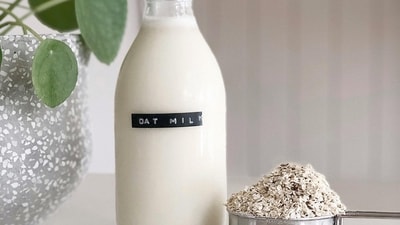

In India too, a survey released in February 2024 found that more than 74% of Indians have consumed alternative milk at least once. So it came as a surprise to many people when an episode was recently released by the podcast love you, goodbyeIts hosts Maci McManus and Kenna Bouknight expressed surprise that oat milk is “expired” and “bad for you.”
Now, a recent study from the University of Copenhagen, led by lead author Professor Marianne Nissen Lund, has found that plant-based milks lack more protein and essential amino acids than cow’s milk. Although it is good for the environment as it has a low carbon footprint, it lacks nutrition. “We definitely need to consume more plant-based foods. But if you are looking for proper nutrition and believe that plant-based drinks can replace cow’s milk, you would be wrong,” Lund said.
We talk to experts to understand what the way forward is:
Kalyani Mankar, a clinical and sports nutritionist in Mumbai, acknowledges that there are a lot of options and information available to people every day. Ask her whether consuming it regularly is healthy and she says, “There is no single right answer. Each person’s lifestyle, dietary needs and medical condition are different. Listen to your body. People with lactose intolerance may benefit from drinking oat milk. However, when mixed with a protein source and nuts it makes a great post-workout meal.
Speaking on the podcast Mary Talks, French content creator and biochemist Jesse Inchauspey (@glucosegoddess) called oat milk “starch juice.” “Oat milk comes from oats,” he said. Oats are grains and grains are starches. So when you’re drinking oat milk, you’re consuming starch juice. You are drinking juice with too much glucose, which increases glucose.
Rutu Dhodapkar, clinical dietitian and HOD, PD Hinduja Hospital and MRC, Khar, is likely to agree, but breaks it down: “Oats contain 60% starch, 14% protein, 7% lipids and 4% beta-glucan. It contains high amounts of proteins, lipids and dietary fiber. Starch may help improve the gut microbiome, but it also makes oats sticky and starchy. Oat milk is free from allergens, cholesterol and trans fats. It contains low unsaturated fat and can reduce blood cholesterol. Choose milk options fortified with Vitamin D and Vitamin B12. “Make sure unsweetened milk is diabetes-friendly.”
[ad_2]

