

[ad_1]
Shoulder arthritis is a debilitating condition that affects millions of people worldwide, characterized by progressive degeneration of the shoulder joint. In an interview with HT Lifestyle, Dr Aditya Sai, Chief Consultant, Shoulder Surgery, Sports Injuries and Arthroscopy at Dr LH Hiranandani Hospital in Powai, sheds light on the symptoms, treatment options and the latest advances in shoulder replacement surgery.

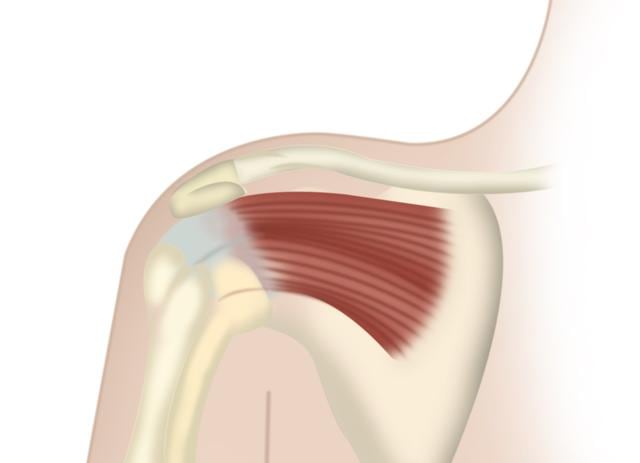
Dr. Aditya Sai shared, “Shoulder arthritis is a condition where the cartilage that supports the bones of the shoulder joint wears down, leading to pain, stiffness, and reduced mobility. The shoulder joint is made up of three bones: the humerus (upper arm bone), the scapula (shoulder blade) and the clavicle (collarbone). The most common types of shoulder arthritis include osteoarthritis which is the most prevalent form, which is caused by the gradual wear and tear of the cartilage.

He further added, “Rheumatoid arthritis is an autoimmune condition where the immune system attacks the joint lining, causing inflammation and damage. Post-traumatic arthritis is caused by an injury or fracture of the shoulder. Rotator cuff tear arthropathy is arthritis that develops after a severe tear of the rotator cuff.”
Symptoms of shoulder arthritis:
Dr. Aditya Sai explains, “Shoulder arthritis manifests in various forms, including osteoarthritis, rheumatoid arthritis and post-traumatic arthritis. Common symptoms include persistent pain in the shoulder that increases with activity or at night, stiffness that reduces range of motion and difficulty performing everyday tasks, swelling, a grinding sensation, and weakness in the shoulder, leading to The ability to lift or carry objects decreases.
Treatment Options:
Initial management of shoulder arthritis often involves non-surgical treatment aimed at reducing pain and improving function. Dr. Aditya Sai emphasizes a multidisciplinary approach including medications and physical therapy programs to strengthen the shoulder muscles, improve flexibility, and enhance joint function. Additionally, activity modifications and ergonomics help reduce stress on the shoulder joint. Corticosteroid or hyaluronic acid injections reduce inflammation and provide temporary relief.
Advanced Surgical Treatment:
For patients with severe shoulder arthritis who do not respond to conservative treatments, surgical intervention may be necessary. Dr. Aditya Sai said, “One of the most effective surgical solutions is shoulder replacement, a procedure in which damaged parts of the shoulder are replaced with artificial components. Shoulder replacement with patient-specific devices (PSI) involves pre-op planning i.e. CT scan. PSI is performed for better accuracy, shorter surgical time, better placement and better longevity. The result is faster pain relief and better function.”
Shoulder arthritis can significantly impact quality of life but with correct diagnosis and treatment, patients can find relief and regain their mobility. Timely intervention is the key to providing pain relief and increasing range of motion.
Disclaimer: This article is for informational purposes only and is not a substitute for professional medical advice. Always seek the advice of your doctor with any questions you may have about a medical condition.
[ad_2]
