

[ad_1]
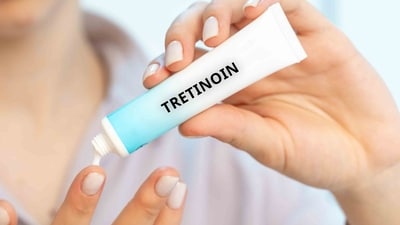
Tretinoin, a derivative of vitamin A, is well known in the dermatology world for its ability to treat acne and signs of aging. However, recently, it has found a new purpose: promoting hair growth. Social media platforms like TikTok and Instagram are buzzing with claims that tretinoin, often combined with minoxidil, can be a game-changer for those struggling with hair loss. But is this trend backed by science, and more importantly, is it safe?
Does it work?
Dr. Amit Bangia, Associate Director of Dermatology at Asian Hospital, says that “tretinoin does increase scalp hair growth, however it is not FDA approved for hair loss treatment, so it is not very commonly used.” The idea behind using tretinoin in hair loss treatment stems from its ability to increase the penetration and effectiveness of minoxidil, a widely used topical treatment for hair growth.
Is tretinoin safe for hair growth?
While tretinoin’s role may be helpful in hair growth, it’s important to understand the potential risks involved. “Potential side effects may include itching, burning, irritation, redness, and peeling of the skin,” says Dr. Bangia. He also emphasizes that tretinoin is usually combined with minoxidil rather than used alone. This combination is usually applied once a day, with results typically appearing in three to four months.
Dermatologist Dr Agni Kumar Bose says, “Tretinoin increases the levels of an enzyme called sulfotransferase, which helps metabolise minoxidil and thus enhances its efficacy. This new method helps overcome a hurdle in many patients who do not respond to minoxidil.” However, Dr Bose also cautions that tretinoin alone does not affect hair growth and it is best to use it as an adjunct to minoxidil.
Should You Try Tretinoin for Hair Loss?
For those who are considering using tretinoin for their hair loss treatment, it is important to consult a dermatologist. “The patient should be physically evaluated by a dermatologist and only then will appropriate treatment be initiated,” advises Dr. Bose. Dr. Bangia also warns against using tretinoin if you have a sensitive scalp. “If you have a sensitive scalp, do not use minoxidil with tretinoin. It can cause scalp irritation and itching, especially when combined with minoxidil, which sometimes has an alcohol base and can cause irritation on its own.”
Expert Tips for Starting Tretinoin for Hair
If you’re considering tretinoin for hair growth, here’s a quick guide from the experts:
1. Start by using a small amount (pea size) once a week, and gradually increase the frequency of use as your skin or scalp gets used to it.
2. Applying more quantity will not give faster results but may increase irritation, itching and peeling.
3. Due to its photosensitivity, apply tretinoin at night before bed to avoid sun exposure.
4. Keep an eye on how your scalp responds to the treatment. Keep a close watch on any adverse effects and report them to your dermatologist.
5. If you combine tretinoin with other ingredients such as minoxidil, be alert to increased irritation on your scalp and keep your dermatologist informed.
[ad_2]

